Hey there! I’m a supplier of Cool – MOSFETs, and today I wanna share with you how to test these awesome components. Cool – MOSFETs are widely used in power electronics, and testing them properly is crucial to ensure their performance and reliability. Cool-MOSFETs
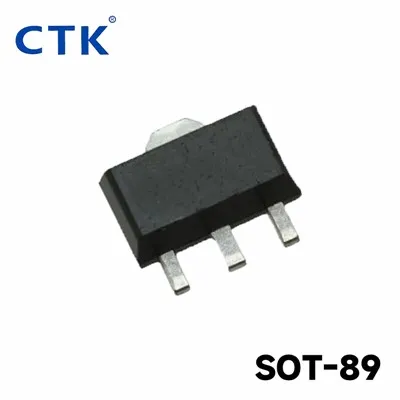
First off, let’s talk about why testing Cool – MOSFETs is so important. These devices are key in power conversion applications like switching power supplies, motor drives, and renewable energy systems. If a Cool – MOSFET fails, it can lead to system malfunctions, reduced efficiency, and even safety hazards. So, by testing them, we can catch any issues early on and prevent potential problems.
Visual Inspection
The first step in testing Cool – MOSFETs is a simple visual inspection. You don’t need any fancy equipment for this. Just take a good look at the device. Check for any physical damage like cracks, burns, or bent leads. Sometimes, you might spot signs of overheating, such as discoloration on the package. If you see any of these issues, it’s likely that the MOSFET is damaged and won’t work properly.
Static Testing
After the visual check, it’s time for some static testing. One of the most basic tests is to measure the resistance between the gate, source, and drain. You can use a multimeter for this. Set the multimeter to the resistance mode and measure the resistance between the gate and source (RGS) and between the drain and source (RDS).
For a good Cool – MOSFET, the RGS should be very high, usually in the mega – ohm range. This is because the gate is insulated from the source and drain. If the RGS is low, it could mean that there’s a short – circuit between the gate and source, which is a bad sign.
The RDS is a bit more complicated. When the MOSFET is off (gate – source voltage VGS = 0), the RDS should be very high, indicating that there’s no current flowing between the drain and source. When the MOSFET is on (VGS is above the threshold voltage), the RDS should be very low, allowing current to flow easily. You can measure the RDS by applying a small voltage to the gate to turn the MOSFET on and then measuring the voltage across the drain and source and the current flowing through it. Using Ohm’s law (R = V/I), you can calculate the RDS.
Dynamic Testing
Static testing gives you a basic idea of the MOSFET’s condition, but dynamic testing is where things get really interesting. Dynamic testing involves applying a time – varying voltage to the gate and measuring the response of the MOSFET.
One of the most common dynamic tests is the switching test. You can use a function generator to apply a pulse signal to the gate of the MOSFET. The pulse signal should have a frequency and amplitude that are representative of the actual operating conditions. As the MOSFET switches on and off, you can measure the voltage and current waveforms at the drain and source.
When the MOSFET turns on, there should be a rapid decrease in the drain – source voltage and an increase in the drain current. When it turns off, the opposite should happen. Any delays or irregularities in these waveforms can indicate problems with the MOSFET’s switching performance.
Another important dynamic test is the breakdown voltage test. This test measures the maximum voltage that the MOSFET can withstand before it breaks down. You can use a high – voltage power supply to gradually increase the voltage across the drain and source while monitoring the current. When the current suddenly increases, it means that the MOSFET has reached its breakdown voltage.
Temperature Testing
Temperature is a critical factor in the performance and reliability of Cool – MOSFETs. High temperatures can cause the MOSFET to degrade over time and even fail. So, it’s important to test the MOSFET’s temperature characteristics.
You can use a thermal camera or a temperature sensor to measure the temperature of the MOSFET during operation. Make sure to apply a load to the MOSFET to simulate real – world conditions. Monitor the temperature over time and see if it stays within the acceptable range. If the temperature gets too high, it could be a sign of poor heat dissipation or excessive power dissipation in the MOSFET.
Parameter Testing
In addition to the basic tests mentioned above, there are also some specific parameters that you might want to test. For example, the threshold voltage (Vth) is the minimum gate – source voltage required to turn the MOSFET on. You can measure the Vth by gradually increasing the gate – source voltage until the drain current starts to flow.
The transconductance (gm) is another important parameter. It measures how much the drain current changes in response to a change in the gate – source voltage. You can calculate the gm by measuring the change in drain current and the corresponding change in gate – source voltage.
Testing Equipment
To perform these tests, you’ll need some basic equipment. A multimeter is essential for measuring resistance, voltage, and current. A function generator is useful for applying pulse signals for dynamic testing. A high – voltage power supply is needed for the breakdown voltage test. And a thermal camera or temperature sensor can help you with temperature testing.
Conclusion
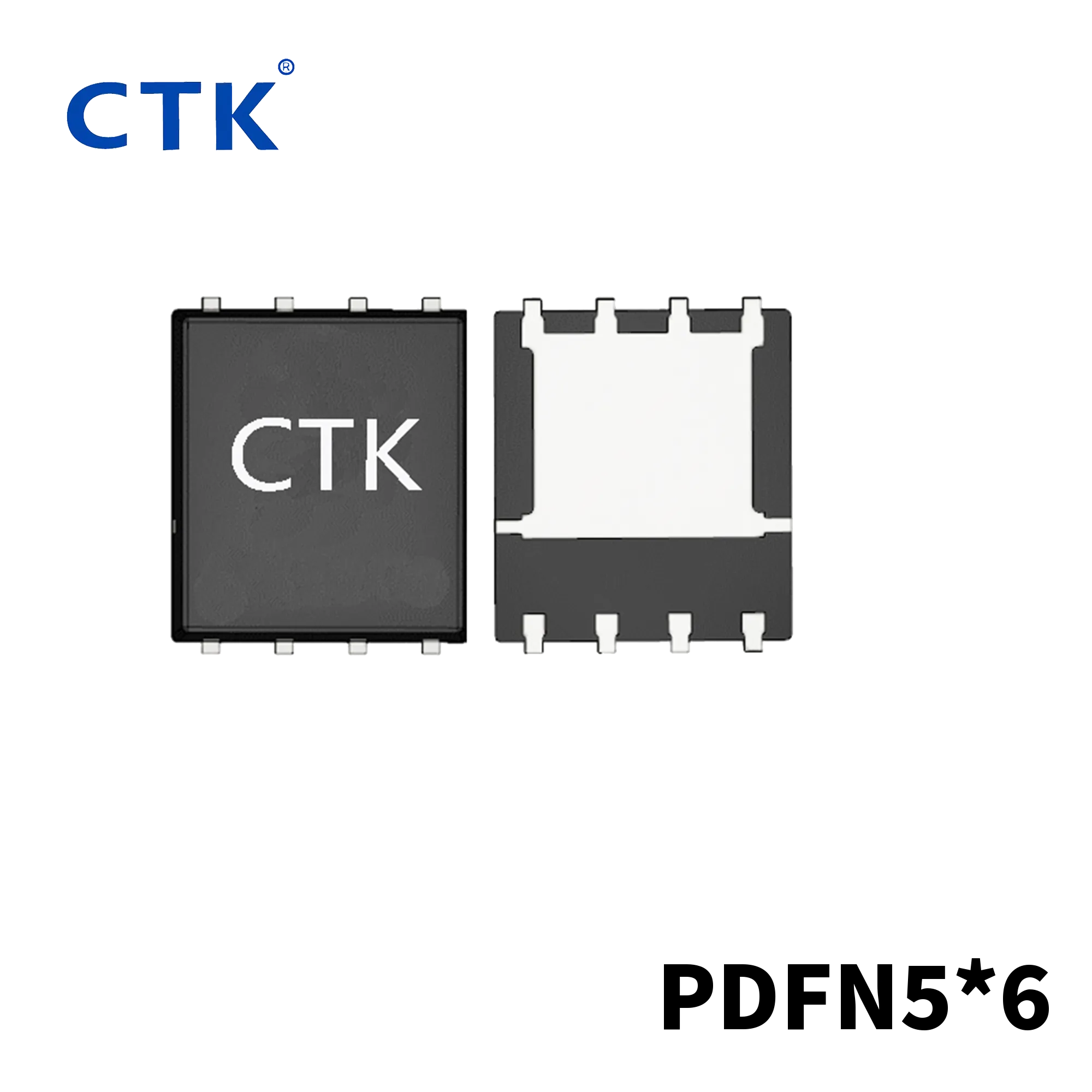
Testing Cool – MOSFETs is a multi – step process that involves visual inspection, static testing, dynamic testing, temperature testing, and parameter testing. By performing these tests, you can ensure that the Cool – MOSFETs you’re using or supplying are of high quality and will perform reliably in your applications.
SiC If you’re in the market for Cool – MOSFETs or have any questions about testing them, don’t hesitate to reach out. We’re here to help you find the right components for your needs and ensure that they work as expected. Let’s have a chat and see how we can work together!
References
- Power Electronics Handbook, Third Edition, edited by Muhammad H. Rashid
- Application Notes from major semiconductor manufacturers on Cool – MOSFET testing and characterization.
Tongke Electronic Co., Ltd
Tongke Electronic Co., Ltd. is one of the most experienced cool-mosfets manufacturers and suppliers in China, featured by quality products and low price. Please rest assured to wholesale advanced cool-mosfets made in China here from our factory. Contact us for pricelist.
Address: No.3,Chayuan Rd, Street 3, AilingKan, Dalingshan, Dongguan, Guangdong, China.
E-mail: jack@ctk-elec.com
WebSite: https://www.ctkchip.com/
