In recent years, the global emphasis on sustainability has extended into every corner of the consumer goods industry, and the eyewear sector is no exception. As a supplier of recycled sunglasses, I’ve witnessed firsthand the growing interest in how these second – hand products can find new life in a variety of applications. The question at the forefront is: can recycled sunglasses be reused in new products? This blog aims to explore the science, potential, and challenges behind this practice. Recycle Sunglasses
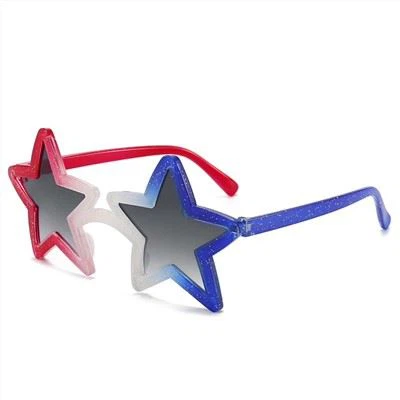
The Science Behind Recycling Sunglasses
Sunglasses are typically composed of several key materials, including plastic frames, glass or plastic lenses, and metal components. Each of these materials has its own recycling process, and understanding these is crucial to answering our central question.
Plastic frames are often made from materials like acetate, polycarbonate, or nylon. Acetate, a semi – synthetic plastic, can be broken down into its base components through chemical processes. Once broken down, these raw materials can be re – polymerized to create new plastic products. Polycarbonate and nylon, on the other hand, can be melted down and reformed into new shapes. This melting process is relatively straightforward, but it requires careful control of temperature and pressure to ensure the quality of the recycled plastic.
Lenses, whether made of glass or plastic, also have their own recycling paths. Glass lenses can be crushed and melted down at high temperatures, similar to the process used for recycling glass bottles. The molten glass can then be molded into new lenses or other glass products. Plastic lenses, like the plastic frames, can be recycled through chemical or mechanical means. Chemical recycling breaks the plastic down into its monomers, while mechanical recycling grinds the plastic into small pieces and then melts it to form new products.
Metal components in sunglasses, such as hinges and nose pads, are usually made of materials like stainless steel, titanium, or aluminum. These metals can be recycled through a process called smelting. In smelting, the metal is heated to a high temperature until it melts, and impurities are removed. The purified metal can then be cast into new forms for use in new sunglasses or other metal products.
Reusing Recycled Sunglasses in New Products
The potential for reusing recycled sunglasses in new products is vast. Here are some of the most common ways in which these recycled materials can find a new purpose:
1. New Sunglasses
One of the most obvious applications is in the production of new sunglasses. By using recycled plastic, glass, and metal, manufacturers can create high – quality sunglasses with a lower environmental impact. For example, recycled plastic frames can be molded into stylish new designs, and recycled glass lenses can provide the same level of UV protection as new lenses.
2. Eyewear Accessories
Recycled materials from sunglasses can also be used to create eyewear accessories. For instance, the plastic from frames can be used to make cases, straps, or even decorative elements for glasses. Metal components can be incorporated into keychains or other accessories.
3. Non – Eyewear Products
Beyond the eyewear industry, recycled sunglasses materials have potential in other sectors. The plastic can be used in the automotive industry for interior components, or in the furniture industry to create small parts. Metal recycled from sunglasses can be used in the construction of electronic devices or household items.
Challenges in Reusing Recycled Sunglasses
Despite the potential, there are several challenges that need to be addressed when reusing recycled sunglasses in new products.
1. Contamination
One of the major challenges is contamination. Sunglasses that are collected for recycling may be contaminated with dirt, oil, or other substances. These contaminants can affect the quality of the recycled materials. For example, if plastic frames are contaminated with oil, it can cause issues during the melting and re – molding process, resulting in a weaker final product.
2. Quality Control
Maintaining consistent quality is another challenge. The properties of recycled materials can vary depending on their source and the recycling process used. For instance, recycled plastic may have different mechanical properties compared to new plastic, which can affect the durability and performance of the final product. Ensuring that the recycled materials meet the quality standards required for new products is essential.
3. Consumer Perception
Consumer perception also plays a role. Some consumers may be hesitant to purchase products made from recycled materials, especially when it comes to eyewear. They may have concerns about the quality, safety, and appearance of these products. Educating consumers about the benefits and quality of recycled products is crucial to overcoming this challenge.
Our Solutions as a Recycle Sunglasses Supplier
As a recycle sunglasses supplier, we have implemented several strategies to address these challenges.
1. Thorough Cleaning Processes
We have developed a comprehensive cleaning process to ensure that the recycled sunglasses we collect are free from contaminants. Our cleaning methods use environmentally friendly detergents and techniques to remove dirt, oil, and other impurities without damaging the materials.
2. Advanced Quality Control Measures
We invest in state – of – the – art quality control equipment to monitor the properties of the recycled materials. This allows us to ensure that the materials meet the strict quality standards required for use in new products. We also work closely with manufacturers to provide them with detailed information about the properties of the recycled materials, so they can make informed decisions about their use.
3. Consumer Education Initiatives
We are committed to educating consumers about the benefits of recycled sunglasses and products made from recycled materials. We use our website, social media platforms, and other marketing channels to share information about the recycling process, the quality of recycled products, and the positive environmental impact of choosing recycled options.
The Future of Reusing Recycled Sunglasses
The future looks promising for reusing recycled sunglasses in new products. As technology continues to advance, the recycling processes are becoming more efficient and cost – effective. This means that we can expect to see an increase in the number and variety of products made from recycled sunglasses materials.
In addition, consumer awareness and demand for sustainable products are growing. As more consumers become aware of the environmental impact of their purchasing decisions, they are more likely to choose products made from recycled materials. This growing demand will drive innovation in the industry, leading to the development of new and improved products made from recycled sunglasses.
Conclusion
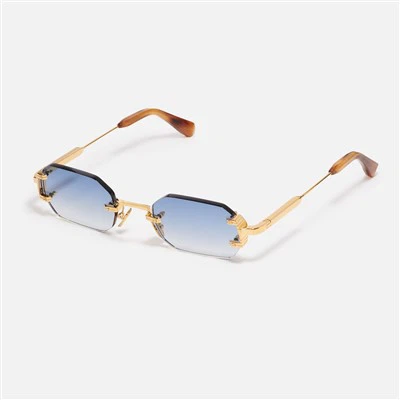
In conclusion, the answer to the question "Can recycled sunglasses be reused in new products?" is a resounding yes. Through careful recycling processes, it is possible to turn old sunglasses into a variety of new products, from sunglasses to eyeglass accessories and even non – eyewear items. While there are challenges such as contamination, quality control, and consumer perception, these can be overcome through effective cleaning, quality control measures, and consumer education.
Goggle As a recycle sunglasses supplier, we are at the forefront of this sustainable movement. We are dedicated to providing high – quality recycled materials to manufacturers and educating consumers about the benefits of choosing recycled products. If you are a manufacturer interested in incorporating recycled sunglasses materials into your new products, or if you have any questions about our recycling services, we would love to hear from you. Contact us to start a discussion about how we can work together to create a more sustainable future through the reuse of recycled sunglasses.
References
- Thompson, R. C., Moore, C. J., vom Saal, F. S., & Swan, S. H. (2009). Plastics, the environment and human health: current consensus and future trends. Philosophical Transactions of the Royal Society B: Biological Sciences, 364(1526), 2153 – 2166.
- European Union. (2018). Directive (EU) 2018/852 of the European Parliament and of the Council of 30 May 2018 amending Directive 2008/98/EC on waste.
- Pichtel, J. (2016). Environmental science. Routledge.
Yiwu Finewell Eyewear Co., Ltd.
Yiwu Finewell Eyewear Co., Ltd. one of the leading recycle sunglasses manufacturers and suppliers in China. We warmly welcome you to buy or wholesale discount recycle sunglasses from our factory. All customized products are with high quality and competitive price. Contact us for more details.
Address: Yiwu Wangshang Chuangye Building, No.407, Yongjun Road, Beiyuan Street, Yiwu City, Jinhua City, Zhejiang Province.
E-mail: Mariayang@ywfinewell.com
WebSite: https://www.finewelleyewear.com/
