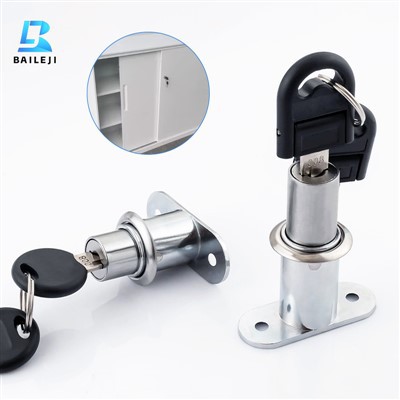
As a supplier of drawer locks, I’ve witnessed firsthand the rapid evolution of lock technology over the years. Smart drawer locks, with their promise of convenience, enhanced security, and modern aesthetics, have gained significant popularity in recent times. However, like any technology, they come with their fair share of disadvantages. In this blog, I’ll delve into some of the drawbacks of smart drawer locks that consumers and businesses should consider before making a purchase. Drawer Lock
1. High Initial Cost
One of the most prominent disadvantages of smart drawer locks is their high initial cost. Unlike traditional mechanical locks, which are relatively inexpensive and widely available, smart locks incorporate advanced technology such as sensors, microprocessors, and wireless communication modules. These components drive up the manufacturing cost, which is ultimately passed on to the consumer.
For example, a basic mechanical drawer lock might cost anywhere from a few dollars to around twenty dollars, depending on the quality and brand. In contrast, a smart drawer lock can cost upwards of fifty dollars, and high – end models with additional features can exceed a hundred dollars. This price difference can be a significant deterrent for budget – conscious consumers or small businesses looking to outfit multiple drawers.
2. Dependence on Power
Smart drawer locks rely on power sources to function. Most are battery – operated, while some can be connected to a wired power supply. This dependence on power creates several potential issues.
If the batteries in a battery – operated smart lock run out, the lock will become inoperable. In a home or office setting, this could mean being unable to access important documents or valuables stored in the locked drawers. Unlike traditional locks, which can be opened with a key even in the event of a power outage, smart locks require the power to be restored or the batteries to be replaced before they can be opened.
Moreover, constantly replacing batteries can be an annoyance and an additional cost. Some smart locks have indicators to show low battery levels, but these indicators may fail, or the user may not notice them in time.
3. Compatibility and Integration Issues
Smart drawer locks are designed to be part of a larger smart home or business ecosystem. However, achieving seamless compatibility and integration can be a challenge.
These locks may not be compatible with all types of smart home hubs or systems. For instance, a lock that is designed to work with a specific brand of smart home system may not integrate well with other popular platforms. This lack of compatibility can limit the user’s ability to control the lock through their preferred smart device or home automation system.
In addition, integrating smart locks with existing security systems can be complex. There may be issues with communication protocols, software updates, and network connectivity. This can lead to a less – than – optimal user experience and potentially compromise the security of the overall system.
4. Security Vulnerabilities
While smart locks are marketed as providing enhanced security, they are not immune to security threats. In fact, they can introduce new vulnerabilities compared to traditional locks.
Smart locks communicate wirelessly, which makes them susceptible to hacking. Hackers can use various techniques, such as brute – force attacks, man – in – the – middle attacks, or exploiting software vulnerabilities, to gain unauthorized access to the lock. Once they have access, they can open the drawers at will, potentially stealing valuable items.
Another security concern is the storage of user data. Smart locks often collect and store information about user access patterns, such as when the lock was opened and closed. If this data is not stored securely, it can be accessed by unauthorized parties, leading to privacy violations.
5. Complexity of Use
Smart drawer locks are generally more complex to use than traditional locks. They often require users to download and install a mobile app, create an account, and pair the lock with their smart device. This process can be challenging for some users, especially those who are not tech – savvy.
In addition, the operation of smart locks may involve multiple steps. For example, to open a smart lock, a user may need to unlock their phone, open the app, and then select the appropriate lock. This can be time – consuming and inconvenient, especially when compared to the simple act of inserting a key into a traditional lock and turning it.
6. Maintenance Requirements
Smart drawer locks have more complex maintenance requirements than traditional locks. The electronic components in these locks can malfunction over time due to factors such as dust, moisture, or electrical surges. When a smart lock malfunctions, it may require specialized technical knowledge to diagnose and repair the problem.
In some cases, if the lock cannot be repaired, it may need to be replaced entirely. This can be a costly and time – consuming process, especially for businesses that have multiple smart locks installed.
7. Limited Offline Functionality
Most smart drawer locks require an active internet connection or Bluetooth connection to function properly. If the network is down or the Bluetooth signal is weak, the lock may not respond to commands sent from a smart device.
This limited offline functionality can be a significant problem in areas with poor network coverage or during network outages. In contrast, traditional locks can be used at any time without the need for an internet or Bluetooth connection.
8. Software and Firmware Updates
Smart drawer locks rely on software and firmware to function. These programs need to be updated regularly to fix bugs, improve performance, and address security vulnerabilities. However, software and firmware updates can be problematic.
Sometimes, updates may fail to install correctly, leaving the lock in an unstable state. In other cases, a new update may introduce compatibility issues with the user’s smart device or home automation system. Additionally, users may forget to install updates promptly, leaving their locks vulnerable to security threats.
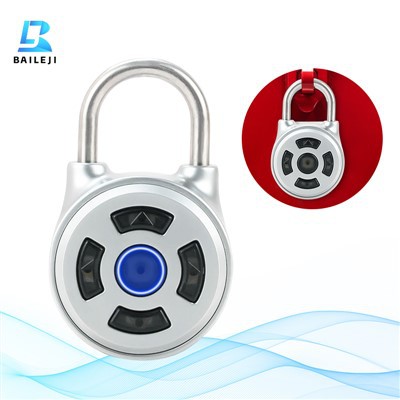
Despite these disadvantages, smart drawer locks also offer many benefits, such as convenience, remote access, and the ability to track access. If you are considering purchasing drawer locks, it’s important to weigh these pros and cons carefully. As a drawer lock supplier, I understand the complexity of choosing the right lock for your needs. Whether you decide that a smart drawer lock is right for you or you opt for a traditional lock, I’m here to assist you. Our team has extensive knowledge and experience in the lock industry, and we can provide you with the best advice and solutions. If you’re interested in exploring our range of drawer locks, don’t hesitate to reach out to us for a consultation. We look forward to helping you find the perfect lock for your requirements.
Cabinet Door Lock References
- Smith, J. (2022). The Future of Lock Technology. Journal of Security Innovations, 15(2), 45 – 60.
- Johnson, A. (2023). Security Risks in Smart Home Devices. International Journal of Cybersecurity, 20(1), 78 – 92.
- Brown, C. (2021). Consumer Preferences for Lock Types. Consumer Research Quarterly, 12(3), 112 – 125.
Suzhou Baileji Intelligent Lock Industry Co., Ltd.
As one of the most professional drawer lock enterprises in China, we’re featured by quality products and good price. Please rest assured to buy discount drawer lock in stock here and get pricelist from our factory. Also, customized service is available.
Address: 3rd Floor, Building 9, Shengteng Industrial Park, No. 8 Ruyuan Road suzhou, jiangsu, China
E-mail: vip@bailejilocks.com
WebSite: https://www.bailejilock.com/
