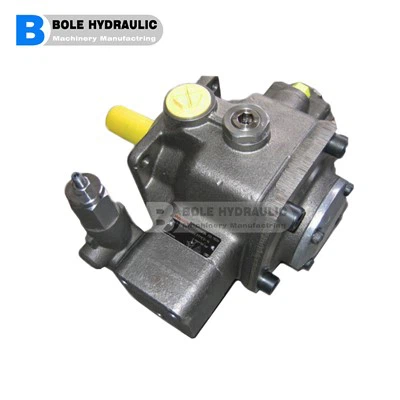
As a supplier of Rexroth Series Vane Pumps, I’ve witnessed firsthand the importance of proper lubrication in maintaining the efficiency and longevity of these high – performance pumps. In this blog, I’ll share in – depth knowledge about how to lubricate the Rexroth Series Vane Pump, based on my years of experience and industry insights. Rexroth Series Vane Pump

Understanding the Rexroth Series Vane Pump
Before delving into the lubrication process, it’s crucial to understand the basic structure and function of the Rexroth Series Vane Pump. These pumps are known for their reliability, high volumetric efficiency, and smooth operation. They are widely used in various industrial applications, such as machine tools, plastic injection molding machines, and hydraulic presses.
The vane pump operates on the principle of positive displacement. Inside the pump, a set of vanes are mounted on a rotor. As the rotor rotates, the vanes slide in and out of the rotor slots, creating chambers of varying volumes. These changing volumes draw in and expel the hydraulic fluid, generating the necessary pressure and flow for the hydraulic system.
Importance of Lubrication
Lubrication plays a vital role in the operation of the Rexroth Series Vane Pump. Here are some of the key reasons why proper lubrication is essential:
- Reducing Friction: The vanes and other moving parts in the pump experience significant friction during operation. Lubrication forms a thin film between the moving surfaces, reducing friction and wear. This not only extends the service life of the pump but also improves its overall efficiency.
- Preventing Corrosion: Hydraulic fluid acts as a lubricant and also provides protection against corrosion. The pump’s internal components are often made of metal, which can corrode in the presence of moisture and oxygen. A high – quality lubricant contains additives that prevent corrosion, ensuring the long – term integrity of the pump.
- Heat Dissipation: The operation of the vane pump generates heat. Lubrication helps to dissipate this heat, preventing overheating, which can lead to component failure and reduced performance.
Selecting the Right Lubricant
Choosing the appropriate lubricant is the first step in proper pump lubrication. The Rexroth Series Vane Pump requires a hydraulic fluid that meets specific requirements.
- Viscosity: Viscosity is a crucial property of the lubricant. It determines the fluid’s resistance to flow. For the Rexroth vane pumps, the recommended viscosity range depends on the operating temperature and pressure of the hydraulic system. In general, a lower viscosity fluid is suitable for low – temperature environments, while a higher viscosity fluid is needed for high – temperature and high – pressure applications. Most Rexroth vane pumps operate optimally with a hydraulic fluid having a viscosity in the ISO VG 32 – 68 range.
- Additive Package: The lubricant should also have a proper additive package. Anti – wear additives protect the vanes and other moving parts from excessive wear. Anti – oxidation additives prevent the fluid from breaking down due to oxidation, which can occur at high temperatures. Additionally, detergents and dispersants keep the system clean by preventing the formation of sludge and deposits.
When selecting a lubricant, it’s advisable to consult the pump’s user manual or contact Rexroth directly to ensure compatibility with the specific model of the vane pump.
Lubrication Process
Pre – lubrication Inspection
Before lubricating the Rexroth Series Vane Pump, perform a thorough inspection of the pump and the hydraulic system.
- Check for Leakages: Inspect the pump and the hydraulic lines for any signs of fluid leakage. Leakages not only waste the lubricant but can also lead to a loss of system pressure and reduced performance. If any leaks are detected, they should be repaired before proceeding with lubrication.
- Clean the Reservoir: The hydraulic reservoir is where the lubricant is stored. It’s important to clean the reservoir periodically to remove any dirt, debris, or contaminants that may have accumulated. A dirty reservoir can contaminate the lubricant and cause damage to the pump.
- Inspect the Filter: The filter in the hydraulic system is responsible for removing contaminants from the lubricant. Check the filter for clogging or damage. A clogged filter restricts the flow of the lubricant, increasing the risk of pump failure. Replace the filter if necessary.
Filling the Lubricant
- Determine the Correct Quantity: Refer to the pump’s user manual to determine the correct amount of lubricant required. Over – filling or under – filling the pump can lead to operational problems. Over – filling can cause excessive pressure in the system, while under – filling can result in poor lubrication and increased wear.
- Use a Clean Filling Method: Use a clean container and a funnel to add the lubricant to the reservoir. Avoid introducing any dirt or debris into the lubricant during the filling process. Some modern hydraulic systems are equipped with a filling port that can be connected to a lubricant storage unit for a more controlled and clean filling.
Running – in and Monitoring
- Initial Run – in: After filling the lubricant, start the pump and run it at a low speed for a short period. This allows the lubricant to circulate throughout the system and reach all the moving parts. During this initial run – in, monitor the pump for any abnormal noises, vibrations, or leaks.
- Regular Monitoring: Once the pump is in normal operation, establish a regular monitoring schedule. Check the lubricant level in the reservoir regularly and top it up as needed. Also, monitor the temperature and pressure of the hydraulic system. Abnormal temperature or pressure readings can indicate problems with the lubrication or other components of the pump.
Troubleshooting Lubrication – related Issues
Even with proper lubrication procedures, issues may still arise. Here are some common lubrication – related problems and their possible solutions:
- Excessive Vane Wear: If the vanes in the pump show excessive wear, it could be due to improper lubrication. Check the viscosity of the lubricant; if it’s too low, it may not provide sufficient protection. Also, ensure that there are no contaminants in the lubricant that could cause abrasion.
- Foaming of the Lubricant: Foaming can occur when air is entrapped in the lubricant. This can be caused by a low lubricant level, a high – speed return line, or a faulty suction line. Check the lubricant level and inspect the suction and return lines for any issues.
- Overheating: Overheating can be a sign of poor lubrication. Check the viscosity and flow rate of the lubricant. A clogged filter or a malfunctioning cooling system can also cause overheating.
Conclusion
Proper lubrication of the Rexroth Series Vane Pump is essential for its optimal performance and longevity. By understanding the pump’s requirements, selecting the right lubricant, following the correct lubrication process, and monitoring the system regularly, you can ensure that the pump operates smoothly and efficiently.
DUPLOMATIC Series Valve If you are in the market for Rexroth Series Vane Pumps or need more information about lubrication and maintenance, I’m here to assist you. Feel free to reach out for a detailed discussion on your specific needs and how we can provide the best solutions for your hydraulic systems.
References
- Rexroth Vane Pump User Manuals
- Hydraulic System Maintenance Guides
- Industry Publications on Hydraulic Pump Lubrication
Shijiazhuang Baile Electromechanical Equipment Co., Ltd.
Shijiazhuang Baile Electromechanical Equipment Co., Ltd. is well-known as one of the leading rexroth series vane pump manufacturers and suppliers in China. If you’re going to buy high quality rexroth series vane pump at competitive price, welcome to get more information from our factory.
Address: Torch Industrial Zone, Licheng District, Quanzhou City, Fujian Province
E-mail: sales02@bailehydraulic.com
WebSite: https://www.bailehydraulic.com/
