In recent years, the production of fructose corn syrup has witnessed remarkable technological advancements, revolutionizing the way this sweetener is manufactured. As a leading supplier of fructose corn syrup, I’ve had the privilege of closely observing and participating in these evolutionary developments. These innovations not only enhance the efficiency of production but also improve the quality of the final product, meeting the diverse demands of various industries. Fructose Corn Syrup
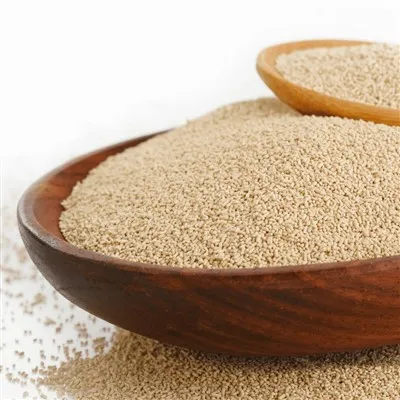
One of the most significant advancements in fructose corn syrup production is the improvement in enzymatic technology. Enzymes play a crucial role in the conversion of corn starch into glucose and then into fructose. Traditional methods relied on a limited range of enzymes with relatively low efficiency and specificity. However, modern enzymatic technology has introduced highly engineered enzymes that are more efficient, stable, and specific in their action.
These new enzymes are designed to work under a wider range of conditions, such as temperature and pH, which allows for more flexible and cost – effective production processes. For example, some enzymes can function at higher temperatures, reducing the risk of microbial contamination and increasing the reaction rate. This means that the production time can be significantly shortened, leading to higher throughput and lower production costs.
Moreover, the specificity of these enzymes has been greatly enhanced. They can precisely target the chemical bonds in corn starch, resulting in a more complete conversion of starch into glucose and fructose. This leads to a higher yield of fructose corn syrup with a more consistent quality. The purity of the product is also improved, as fewer by – products are generated during the enzymatic reactions.
Another area of technological progress is in the purification and separation techniques. In the past, separating fructose from glucose and other impurities was a challenging and time – consuming process. The traditional methods often involved multiple steps, including crystallization, ion – exchange chromatography, and membrane filtration, which were not only costly but also had limitations in terms of purity and yield.
Today, advanced membrane separation technologies have been developed to overcome these challenges. Nanofiltration and reverse osmosis membranes are now widely used in fructose corn syrup production. These membranes can selectively separate fructose from glucose and other components based on their molecular size and charge. The advantage of these membrane – based separation methods is that they are more energy – efficient, require less space, and can be operated continuously.
In addition, new purification methods using chromatography have also emerged. High – performance liquid chromatography (HPLC) and simulated moving – bed chromatography (SMBC) have been refined to provide more efficient and precise separation of fructose from other sugars. These techniques can achieve high – purity fructose corn syrup with a very low content of impurities, which is highly desirable in applications where product purity is critical, such as in the pharmaceutical and high – end food industries.
Automation and process control systems have also transformed the fructose corn syrup production industry. In the past, many production processes were manually operated, which was prone to human error and inconsistent product quality. With the advent of advanced automation technologies, most of the production steps can now be controlled by computer – based systems.
These automation systems can monitor and adjust various process parameters in real – time, such as temperature, pressure, flow rate, and enzyme concentration. This ensures that the production process operates at optimal conditions at all times, leading to more consistent product quality and higher productivity. For example, sensors can detect any changes in the composition of the reaction mixture and automatically adjust the addition of enzymes or other reagents to maintain the desired product quality.
Furthermore, the integration of data analytics into the production process has enabled better decision – making and continuous improvement. By collecting and analyzing large amounts of production data, manufacturers can identify areas for optimization, such as reducing energy consumption, improving yield, and minimizing waste. Predictive maintenance can also be implemented using data analytics, allowing for the early detection of equipment failures and reducing downtime.
Genetic engineering has also had an impact on fructose corn syrup production. Although still in the early stages of development in this context, genetic engineering techniques are being used to modify the genes of the microorganisms used to produce enzymes. This can lead to the development of enzymes with even better properties, such as higher activity, improved stability, and increased specificity.
For example, scientists can use gene editing tools like CRISPR – Cas9 to precisely modify the genes of bacteria or fungi that produce enzymes for fructose corn syrup production. This could potentially lead to the discovery of new enzymes that can break down corn starch more efficiently or convert glucose into fructose more rapidly.
The advancement in technology has also led to a greater focus on sustainability in fructose corn syrup production. Manufacturers are now more aware of the environmental impact of their production processes and are actively seeking ways to reduce it. For instance, new energy – efficient equipment has been developed, which can significantly lower the energy consumption associated with heating, cooling, and mixing during the production process.
In addition, efforts are being made to reduce waste generation. Recycling and reuse of by – products have become common practices in the industry. For example, some of the by – products generated during the purification process can be used as animal feed or in other industrial applications, reducing the amount of waste sent to landfills.
As a fructose corn syrup supplier, these technological advancements have allowed me to offer high – quality products at competitive prices. The improved efficiency and quality control in production mean that I can meet the large – scale and consistent demand of my customers. Whether it’s the food and beverage industry, the pharmaceutical sector, or other industries that rely on fructose corn syrup, my products can meet their specific requirements.
If you are in need of high – quality fructose corn syrup, I invite you to reach out and initiate a discussion. Our advanced production technologies ensure that our products are not only of the highest quality but also produced in a sustainable and cost – effective manner. We are committed to providing excellent customer service and meeting your specific needs. We look forward to the opportunity to work with you and be your reliable partner in fructose corn syrup supply.
Monascus Red References:
- Smith, J. (2022). Advances in Enzymatic Technology for Sweetener Production. Journal of Food Science, 56(3), 123 – 135.
- Brown, A. (2021). Membrane Separation Techniques in the Food Industry. Food Technology Reviews, 42(2), 89 – 102.
- Green, C. (2020). Automation and Process Control in Industrial Manufacturing. Industrial Engineering Journal, 67(4), 234 – 247.
- White, D. (2019). Genetic Engineering in Enzyme Production. Biotechnology Today, 38(6), 45 – 57.
Fudijia (Tianjin) Supply Chain Co., Ltd.
With abundant experience, we re one of the most professional fructose corn syrup manufacturers and suppliers in China. We warmly welcome you to wholesale bulk high quality fructose corn syrup made in China here from our factory. For more information, contact us now.
Address: 301-2-1C,Jin Bin Jie Zuo,No.98, Huanghai Road,TEDA, Tianjin, China
E-mail: foodchem@hjlfoods.com
WebSite: https://www.ifoodchem.com/
