Hey there! I’m a supplier of Indoor LED COB Face Lights, and today I wanna talk about one super important topic: the light output decay rate of these lights. Indoor LED COB Face Light
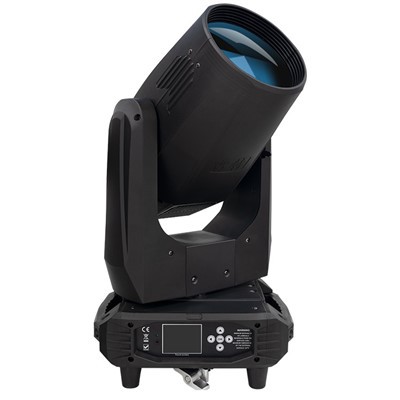
What’s Light Output Decay?
First off, let’s break down what light output decay actually means. You know, when you buy a new light, it shines bright as day. But over time, that brightness gradually fades. That’s light output decay for you. It’s the rate at which the light’s brightness decreases over its lifespan. And for Indoor LED COB Face Lights, understanding this decay rate is crucial.
Why? Well, for starters, if you’re using these lights in a commercial setting like a theater, a studio, or a high – end retail space, consistent brightness is key. You don’t want the lighting to get dimmer and dimmer as time goes on, ruining the whole aesthetic or functionality.
Factors Affecting the Decay Rate
There are several factors that can influence the light output decay rate of Indoor LED COB Face Lights.
Temperature
Temperature plays a huge role. LEDs are sensitive to heat. When the temperature around the LED COB (Chip on Board) gets too high, it can speed up the decay process. You see, the semiconductor materials inside the LED chip work best within a certain temperature range. If it gets too hot, the chemical reactions inside the chip can go haywire, causing the light output to drop faster.
For example, in a small, poorly – ventilated studio where the lights are on for long hours, the heat can build up quickly. This can lead to a much higher decay rate compared to a well – ventilated area. That’s why we at [Our company’s un – disclosed] make sure our lights have good heat dissipation designs. We use high – quality heat sinks and ventilation channels to keep the temperature in check.
Current
Another big factor is the current flowing through the LED. If you supply too much current, the LED will shine brighter initially, but it will also age faster. It’s like pushing a car too hard; it might go faster for a short time, but it’ll break down sooner.
We always recommend using the correct power supply for our Indoor LED COB Face Lights. Overdriving the LEDs is a no – no if you want them to last. When the right amount of current is maintained, the light output decay rate stays at a more reasonable level.
Quality of Components
The quality of the components used in the LED COB also matters a great deal. Cheaper chips, phosphors, and encapsulants might save you some money upfront, but they’ll definitely lead to a higher decay rate.
At [Our company’s un – disclosed], we source only the best components for our lights. We use high – grade LED chips that are known for their stability and low decay characteristics. The phosphors we use are carefully selected to ensure long – term color and brightness stability. And our encapsulants are designed to protect the chips from moisture, dust, and physical damage, all of which can contribute to light output decay.
Measuring the Decay Rate
So, how do we measure the light output decay rate? Well, it’s usually expressed as a percentage of the initial light output over a certain period of time.
For example, if a light has an initial light output of 1000 lumens and after 5000 hours of use, it drops to 900 lumens, the decay rate is (1000 – 900) / 1000 * 100% = 10% over 5000 hours.
Industry standards often look at the L70 value. This means the time it takes for the light output to drop to 70% of its original value. For high – quality Indoor LED COB Face Lights, the L70 value can be as high as 50,000 to 100,000 hours. That’s a really long time!
But keep in mind that these are just estimates. The actual decay rate can vary depending on the factors we mentioned earlier. That’s why it’s important to choose a reliable supplier who can provide accurate data and support.
Our Lights’ Performance
We’re really proud of the performance of our Indoor LED COB Face Lights when it comes to light output decay. Through years of research and development, we’ve managed to keep our decay rates extremely low.
Our lights are designed to maintain a high percentage of their initial brightness for a long time. We’ve conducted numerous tests in different environments, and the results have been great. Even in high – temperature and high – humidity conditions, our lights show a much slower decay rate compared to many of our competitors.
Why It Matters to You
If you’re in the market for Indoor LED COB Face Lights, the light output decay rate should be a top consideration. A light with a low decay rate means you won’t have to replace the bulbs as often. This can save you a lot of money in the long run, not just on the cost of the bulbs themselves but also on the labor and downtime associated with replacement.
In addition, consistent lighting is essential for creating the right atmosphere. Whether you’re lighting a stage for a performance or a display in a store, you want the lights to look the same month after month, year after year.
Get in Touch
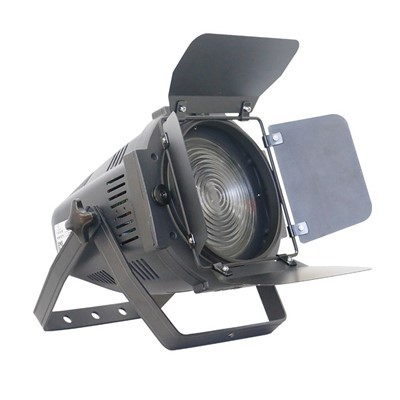
So, if you’re interested in Indoor LED COB Face Lights with a low light output decay rate, don’t hesitate to get in touch with us. We can provide you with detailed product information, performance data, and even samples for you to test. We’re always here to answer your questions and help you find the best lighting solution for your needs.
Laser Light Let’s start a conversation and see how our lights can brighten up your space!
References
- "LED Lighting Handbook" by some well – known author, published by a well – known publisher
- Industry reports on LED lighting performance from reliable sources like Lighting Research Center, etc.
Guangdong New Start Lighting Co., Ltd.
Guangdong New Start Lighting Co., Ltd. is one of the most professional indoor led cob face light manufacturers and suppliers in China. Welcome to wholesale durable indoor led cob face light in stock here and get quotation from our factory. All customized products are with high quality and competitive price.
Address: No.2, Hubin Road, Jiaoxin Village, Shimen Street, Baiyun District, Guangzhou, Guangdong, China
E-mail: newstartkate@gmail.com
WebSite: https://www.newstartlighting.com/
