As a livestock feed bags supplier, I’ve spent thousands of hours on farms, in feed mills, and in conversations with producers across North America, and one question comes up more often than you’d think: “Do different livestock species need totally different feed bags?” It’s a logical one too—after all, a dairy cow’s nutritional needs aren’t the same as a goat’s, and a flock of broiler chicks eats way more frequently than a herd of finishing hogs. Yet too many producers treat feed bags as a one-size-fits-all commodity, and that’s a mistake that can cost them money, waste feed, or even impact animal health. Let’s break this down, based on what I’ve learned working with everything from small backyard flocks to large commercial operations. Livestock Feed Bags
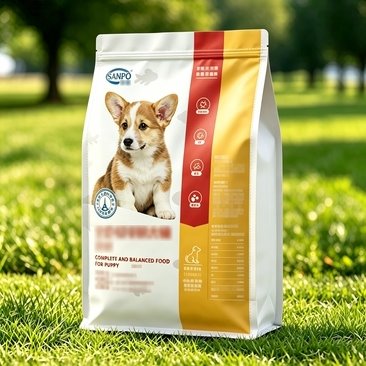
First, let’s start with the core basics: what makes a feed bag work beyond just holding feed? A good feed bag has to protect the feed from moisture, pests, UV light, and mechanical damage, while also making it easy to handle, store, and access on the farm. But each livestock species creates unique demands on that bag. Let’s start with ruminants, like cattle and sheep, because they’re the most common for which I supply feed bags, and their needs are distinct. For cattle, especially in large feedlots or pasture-based operations, feed is often stored for long periods—sometimes weeks, especially during winter in northern climates. A cow’s feed (whether it’s corn silage, hay cubes, or commercial grain mixes) is also high in starch and protein, which are sensitive to mold. If a feed bag for cattle isn’t moisture-resistant, rain or snow can seep in, turning perfectly good feed into a moldy mess that’s not only wasted but can cause digestive issues for cattle. I’ve seen this firsthand at a Nebraska feedlot last year: they used generic bags for their finishing steer feed, and a rainy week led to 12 percent of the feed going moldy, costing them nearly $4,000 in losses. For cattle, we’ve found that a 40- to 50-pound bag with a laminated polypropylene inner layer works best—it blocks moisture, is strong enough to handle rough farm equipment like skid steers, and the tight seal keeps out rodents, which are a constant problem around feed stores.
Sheep, on the other hand, are smaller, but they have different feeding patterns. Most small sheep operations use smaller bags—20 to 30 pounds—because sheep are often fed in smaller groups, and larger bags are too heavy for a single person to lift. But sheep feed (like alfalfa pellets or grain mixes) is also more prone to insect infestations, especially in warm, humid areas. Unlike cattle feed, which is often stored in covered silos, sheep feed might sit in a barn or even out in a covered shed, where weevils can get into bags. That’s why we recommend a bag for sheep with a fine mesh barrier layer, not just a laminate. The mesh keeps tiny insects out, while still allowing a little air flow so condensation doesn’t build up inside the bag. I worked with a flock owner in Ohio last spring who was using regular poly bags for her 80 sheep, and she had a weevil infestation that ruined three bags of feed. Swapping to our insect-resistant bags fixed that completely, she told me—she hasn’t had a single infestation since.
Now, moving to monogastric livestock: pigs and poultry. These animals have super specific feed needs, and their bags have to match that. For pigs, especially growing-finishing hogs, feed is often delivered in bulk, but small producers or hobby farmers might use 50-pound bags. Wait, but why is a pig feed bag different from a cattle feed bag? Pigs eat complete feeds that have a lot of additives—medications, vitamins, and enzymes that can break down if exposed to oxygen. Polypropylene alone is too porous, so we add an ethylene vinyl alcohol (EVOH) layer to pig feed bags. That layer acts as an oxygen barrier, keeping the additives fresh for longer. I’ve had a producer in Iowa tell me that before using our EVOH bags, his pig feed would lose its vitamin potency in two weeks, so he had to use it quickly. Now, it stays fresh for up to six weeks, which means he can order feed less often, saving on delivery costs. Also, pigs are curious animals—they’ll chew through weak bags if given the chance. So pig feed bags need to have a reinforced top and bottom, because hogs might nudge at bags or even try to root at them. We add an extra strip of polypropylene at the bottom of our pig feed bags to prevent tearing, which cuts down on feed waste by almost 10 percent, according to that Iowa producer’s numbers.
Poultry, though—chickens, turkeys, ducks—take this even further. Poultry feed is mostly small pellets or crumbles, and it’s very light, so bags have to be lightweight but strong enough to hold the material without breaking. But the big issue with poultry feed is dust. Broiler feed, for example, has fine particles that can leak out of weak bags, creating a mess in barns and wasting feed. That’s why poultry feed bags use a finer-woven polypropylene, often with a moisture barrier to keep the feed from clumping in humid barns. Also, poultry operations have super high turnover—chicks are raised for 6 to 8 weeks before processing, so feed is used quickly, but it’s still important that the bag keeps the feed clean. I supply bags to a 50,000-bird turkey farm in Indiana, and they switched to our poultry-specific bags last year because their old bags would leak dust, which was getting into the turkeys’ water troughs and causing bacterial issues. Since switching, they’ve seen a 7 percent drop in water-related illnesses, and less feed waste. That’s a big win for them, and it’s all because the bag was designed for poultry, not just generic livestock.
What about specialty livestock? Goats, rabbits, even aquaculture? Let’s touch on those, because they’re growing in popularity, and their feed needs are just as unique. Goats, like sheep, eat smaller quantities, but their feed (often hay pellets or grain) is higher in fiber, which can be more abrasive. So goat feed bags need to be more abrasion-resistant, because if a bag rubs against a fence or a farm truck, it can tear. We use a thicker polypropylene (120 GSM instead of the standard 80 GSM) for goat feed bags, and that’s prevented a lot of tears for our small goat farm clients. Rabbits, on the other hand, eat very fine pellets that can easily get contaminated, so their feed bags are lined with a food-grade polyethylene layer to make sure no chemicals from the bag get into the feed. Aquaculture feed, too—especially for shrimp or catfish, which is often fed in floating pellets—needs bags that are not just moisture-resistant, but can also stand up to being stored in wet, outdoor ponds. Our aquaculture feed bags have a UV-stabilized outer layer, so they don’t break down when left in the sun, and a heavy-duty inner layer that keeps water out of the pellets.
Now, a common question I get: “Can’t I just use the same bag for all my livestock?” Technically, you could, but it’s not practical, and it ends up costing more in the long run. Generic bags are cheaper upfront, but if they cause feed waste, mold, or pest infestations, that cost adds up. Let’s do a quick math example: a 50-pound generic feed bag costs about $0.80, while a species-specific cattle feed bag costs $1.00. If your cattle operation has 100 bags a year, that’s a $200 difference upfront. But if a generic bag leads to 10 bags of moldy feed a year, at $20 per bag, that’s $200 in waste—so you’re breaking even at best. If the generic bag leads to more rodent damage, that’s even more. For small operations, this is even more critical: a hobby farmer with 10 sheep can’t afford to waste a $15 bag of feed because of a bad bag. That’s why taking the time to pick the right bag for your livestock matters.
I also want to address a misconception I hear a lot: “Feed bags are just packaging, not part of my livestock’s health.” But that’s not true. Moldy feed can cause acidosis in cattle, which is a painful and expensive condition to treat. Contaminated feed from torn bags can cause salmonella in poultry, which leads to flock loss. Feed that loses its vitamin potency because of poor oxygen barriers leads to slower growth rates, which means longer time to market and lower profits. So a good feed bag isn’t just a way to store feed—it’s part of your overall livestock management plan.
Over the years, I’ve worked to adjust our product line to fit these specific needs, not just sell one type of bag. We’ve conducted tests with farmers across different regions, testing how our bags hold up in high humidity, cold winters, arid climates, and different farm conditions. For example, in Arizona, where it’s hot and dry, we add a UV-stabilized layer to all our bags to prevent them from cracking in the sun. In the Pacific Northwest, where it rains almost every week, we use a thicker moisture barrier. It’s not just about making a bag that’s strong—it’s about making a bag that works for where your livestock are, what they eat, and how you operate your farm.
I’ve seen too many operations cut corners on feed bags and end up with avoidable problems. A few months ago, a hog farmer in Minnesota came to me, frustrated because he’d been using generic bags for his growing pigs, and his feed was going bad in storage. He’d lost two batches of feeder pigs to digestive issues from moldy feed. After switching to our oxygen-barrier bags, he told me that his feed now stays fresh for the full six weeks he stores it, and he hasn’t had any pig health issues since. That’s the kind of impact a species-specific feed bag can have, and it’s why I do what I do.
At the end of the day, the answer to “Do different livestock species require different types of feed bags?” is a resounding yes. Each type of livestock has unique feeding habits, storage needs, and challenges, and a one-size-fits-all bag can’t address all of them. Investing in the right feed bag for your cattle, pigs, poultry, or specialty livestock isn’t just a packaging choice—it’s a choice that can reduce feed waste, improve animal health, and boost your bottom line.
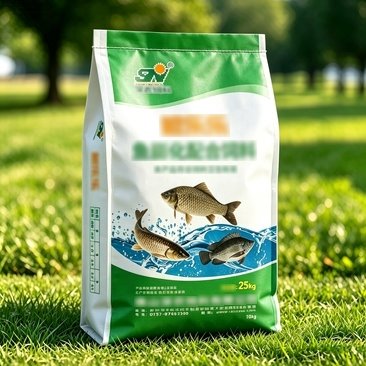
If you’re tired of dealing with torn bags, moldy feed, or pest infestations that eat into your profits, I’d love to help you find the right feed bag for your operation. Reach out to connect on your specific needs, whether you run a small backyard farm or a large commercial livestock operation, and we can work together to find a solution that fits your livestock and your budget.
Aquatic Feed Woven Bags References
- USDA Agricultural Marketing Service. (2022). Livestock Feed Storage and Packaging Best Practices.
- National Pork Producers Council. (2021). Feed Packaging Requirements for Swine Operations.
- American Veterinary Medical Association. (2023). Feed Contamination and Animal Health Outcomes.
- Poultry Science Association. (2022). Feed Packaging Materials and Nutrient Retention in Poultry Diets.
- Journal of Applied Animal Science. (2021). Species-Specific Feed Packaging Needs for Small and Mid-Sized Livestock Operations.
Zhejiang Xifeng Packaging Co., Ltd.
We are one of the most experienced livestock feed bags manufacturers and suppliers in China. With a professional production team, we offer a wide range of products with superior quality. Please feel free to buy bulk livestock feed bags at competitive price from our factory. We also accept customized orders.
Address: Xiaojiang Town, Pingyang County, Wenzhou City, Zhejiang Province, China
E-mail: zjxifeng@126.com
WebSite: https://www.xifengpackaging.com/
