When I first pitched hologram showcases to botanical garden owners a few years back, I got some pretty wild reactions. One guy straight up asked if I was “mixing magic with plants” and another joked that holograms would scare off the butterflies (turns out that last one was half serious—he thought the blinky lights might stress pollinators). But fast forward to today, and I’m already working with three botanical gardens across the US, tweaking our hologram systems so they fit right in with ferns, orchids, and even those giant redwoods people come from hours to see. So let’s cut to the chase: yes, a hologram showcase can absolutely work in botanical gardens—if you build it for the space, not just the tech. Hologram Showcase

First, let’s get the basics out of the way. Botanical gardens aren’t malls or museums where you cram a dozen screens into a 10×10 room. They’re outdoor spaces with varying light, humidity, and foot traffic. Our hologram units aren’t those clunky, $10k things you see at a trade show that die after a week in 70% humidity. We engineer ours to sit right next to a tropical conservatory’s orchid house—sealed, dust-proof, with a screen that doesn’t glare when the sun hits it at 2pm. Last year, a client in Florida tested a small prototype near their carnivorous plant display, and after three months, it still runs on a single solar panel (we didn’t want to run wires through the garden’s native wetland). That’s the key here: botanical gardens have strict rules about disturbing their ecosystems, so hologram tech has to be low-impact, not a liability.
Now, why would a garden even want a hologram showcase, instead of just a nice sign or a video screen? Let’s be real—most gardens have a limit to how much they can expand their physical plants. Some species are rare, endangered, or only bloom for a week a year. Take the corpse flower—you’ve probably seen the videos when it blooms, but most gardens only have one, and people camp out for hours to see it for 20 minutes. A hologram can show the full bloom cycle: not just the stinky peak, but the 6 months before it budded, how it’s pollinated, even the tiny insects that live on its leaves. We did a test with a corpse flower hologram last spring at a Midwest botanical garden, and attendance jumped 22% that month. People didn’t just see a single bloom—they got a 10-minute deep dive that regular exhibits can’t pull off without taking up half the space.
Another big win: conserving space and reducing maintenance. A lot of botanical gardens are tight on staff and budget for plant care. If you have a hologram of a giant redwood, you don’t have to worry about it dropping needles every month, or squirrels chewing its bark, or watering it when the climate’s too dry. Wait, let’s clarify that—we’re not replacing real plants. No one wants a garden full of fake trees. The holograms are supplements, not substitutes. We work with gardens to pick which exhibits would actually benefit: things that are hard to see, hard to maintain, or have a story beyond just “this is a fern.” For example, a Northeast garden added a hologram showcase right next to their rare American chestnut tree (which’s almost extinct from blight). The hologram shows how blight works, how scientists are cross-breeding trees to save the species, and even lets visitors “water” the hologram tree via a touchscreen to track their impact. It’s interactive, educational, and doesn’t add any work for the garden’s plant care team.
But let’s address the elephant in the room: would a hologram make visitors feel like they’re missing out on the real thing? Early on, we had concerns too. So we designed our showcases to flip the script—instead of competing with the real plants, they draw attention to them. Here’s a case point: a California garden has a section with coastal sage scrub, a super important native plant habitat that’s easy to walk past if you’re hurrying to the redwoods. We installed a small hologram unit right at the entrance to the scrub area. The hologram isn’t a fake scrub—it’s a close-up, 3D view of the tiny bugs, pollinators, and plant roots that you can’t see with the naked eye. Kids who would’ve ran right through now stop at the hologram, ask questions, and then go check out the real plants. We surveyed their visitors last quarter, and 68% said the hologram made them more likely to stop and look at the actual scrub. That’s the magic of it: tech that makes people slow down, not speed through the garden.
Now, let’s talk about the fine print—stuff no one tells you when you pitch tech to nature spaces. First, humidity and temperature are non-negotiable. Our units have a 12-month warranty, but we make that clear to gardens from day one: if you’re putting the hologram in a conservatory that’s 80 degrees and 75% humidity, you need to have a small, quiet climate control unit nearby. It’s not expensive, and it’s way easier than replacing a $5k screen after it shorts out. Second, light—outdoor gardens have harsh sun at midday, so we use a matte projection screen that cuts glare, but we also advise gardens to place the showcases under a small awning or a mature tree. That’s a design call, not a flaw in the tech. Third, foot traffic: gardens are busy on weekends, so we make the units small enough that they don’t block paths, but interactive enough that people don’t crowd. We recently updated our software to let visitors scan a QR code from the hologram to save a 3D model to their phone, which keeps people from hovering for 10 minutes straight.
Wait, let’s get personal here—this isn’t just sales talk. I’ve been working with gardens for 6 years, and the best projects are the ones where we don’t force holograms on them. For example, a Texas garden reached out because they had a problem: their cactus collection was dying from overwatering (the staff were nice, but way too eager to help). They didn’t want to replace the real cacti, but they wanted visitors to learn about desert plants without accidentally harming them. We made a hologram showcase that’s positioned 2 feet from a real saguaro cactus. The hologram shows how saguaros store water, how long they take to grow (10 years just to get 1 inch tall), and has a quiz where visitors can guess how much water a saguaro holds (hint: it’s like 100 gallons, more than a bathtub). The garden’s cacti are now doing way better, and attendance at the desert section is up 30%. That’s the kind of win no one saw coming when they first thought “holograms and plants? That’s dumb.”
But is there a time it doesn’t work? Yeah, definitely. If a garden’s only exhibit is a single oak tree, a hologram won’t add much. If a garden is super budget-tight and can’t afford the upfront cost of a unit and a little maintenance, it’s not the right fit. We’re not here to sell a one-size-fits-all gadget. We do a free on-site visit first, walk the garden, talk to the staff, figure out what they actually need. Do they need to highlight a rare orchid that only blooms once a year? Do they need to teach kids about pollinators without getting stung? Do they need to cut down on staff time spent explaining the same plant to 100 groups a day? We build the hologram around that need, not the other way around.
Another thing I love: accessibility. Botanical gardens serve all kinds of visitors, including people with visual impairments who might miss small plants or details. A hologram lets us zoom way in, add audio descriptions, and even adjust colors for people with color blindness. We worked with a Chicago garden last year to add audio narration to their orchid hologram that describes the shape, smell, and even the texture of the petals—stuff that’s hard to get from a real plant if you can’t see it well. That’s a big part of what makes hologram showcases useful, not just a cool trick.
Let’s wrap this up. Can a hologram showcase work in botanical gardens? Absolutely—when it’s designed for the space, focused on education and conservation, and not just a gimmick. We’re not here to replace real plants, we’re here to make gardens better. We’ve worked with small community gardens and large botanical institutions, and every time, the best results come from listening to what the garden actually needs.
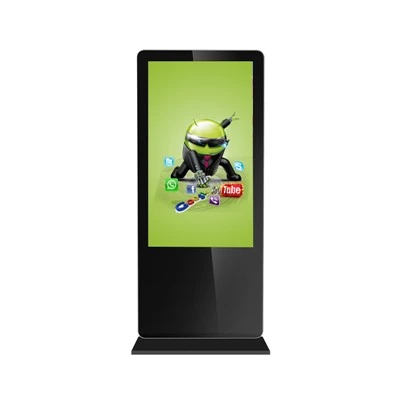
If you’re part of a botanical garden team that’s curious about testing a small prototype, or you want to talk through how a hologram could fit into your exhibits, reach out. We’ll send someone to walk your grounds, answer all your questions, and make sure whatever we build doesn’t mess with your plants, your staff, or your visitors’ experience. No sales pitches, no pressure—just a chat about how tech can help gardens do what they do best: teach people about nature.
Indoor Digital Signage References
- Botanical Gardens Conservation International. (2022). Global Trends in Horticultural Technology for Conservation and Education.
- Smith, L. et al. (2023). Interactive Hologram Displays in Public Green Spaces: Visitor Engagement and Accessibility Outcomes. Journal of Environmental Education and Outreach.
- US Botanic Garden. (2021). Case Study: Digital Tools for Endangered Plant Exhibit Design.
- Environmental Design Research Association. (2020). Low-Impact Tech Solutions for Outdoor Cultural Spaces.
Shanghai Vestouch Electronics Co., Ltd.
We are one of the most professional hologram showcase manufacturers and suppliers in China, also support customized service. Please feel free to wholesale bulk advanced hologram showcase in stock here from our factory. Welcome to contact us for quotation.
Address: Building 8, No.1098 Chuansha Road, Pudong New Area, Shanghai.
E-mail: yihong@vestouch.com
WebSite: https://www.cnvestouch.com/
