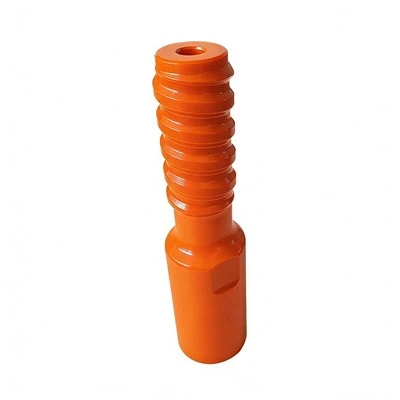
Hey there! I’m a supplier of DTH (Down-the-Hole) Drill Pipe, and I’ve seen these bad boys in action across a wide range of geological conditions. DTH drill pipes are crucial in many drilling operations, and how they perform can make or break a project. So, let’s dive right in and talk about how DTH drill pipes handle different geological terrains. DTH Drill Pipe
1. Soft Sedimentary Rock
Soft sedimentary rocks, like sandstone and shale, are among the more forgiving geological conditions for DTH drill pipes. In these conditions, the drill pipe doesn’t have to work as hard to break through the rock. The relatively low hardness of soft sedimentary rocks means that the drill bit can penetrate easily, and the drill pipe doesn’t experience excessive wear and tear.
One of the key advantages of using DTH drill pipes in soft sedimentary rock is their efficiency. Since the rock is easy to drill through, the drill can operate at a higher rate of penetration. This means that drilling projects can be completed more quickly, saving both time and money.
Another benefit is the reduced risk of damage to the drill pipe. The softer rock doesn’t put as much stress on the pipe, which means that it’s less likely to develop cracks or other forms of damage. This extends the lifespan of the drill pipe, making it a cost – effective option for long – term drilling projects.
However, there are also some challenges. Soft sedimentary rocks can sometimes be brittle and prone to crumbling. This can lead to problems with hole stability. The drill pipe needs to be carefully monitored to ensure that it doesn’t get stuck in the hole due to the collapsing rock. In some cases, additional support or casing may be required to maintain the integrity of the hole.
2. Hard Igneous Rock
Now, let’s talk about hard igneous rocks, such as granite and basalt. Drilling through these rocks is no walk in the park. The high hardness of igneous rocks means that the drill bit and the drill pipe are under a lot of stress.
When drilling in hard igneous rocks, the DTH drill pipe needs to be able to withstand high levels of pressure and torque. The drill bit has to work much harder to break through the rock, and this can cause significant wear on the pipe. To cope with this, our DTH drill pipes are made from high – strength materials. We use advanced steel alloys that can handle the extreme conditions of hard rock drilling.
One of the challenges in hard igneous rock drilling is the slow rate of penetration. Since the rock is so hard, it takes longer for the drill bit to make its way through. This can increase the overall cost of the drilling project, as more time is required to complete the job.
However, DTH drill pipes have some advantages in this situation too. The down – the – hole hammer technology used in DTH drilling allows for a more efficient transfer of energy to the drill bit. This helps to break through the hard rock more effectively than other drilling methods. Additionally, our drill pipes are designed to minimize vibration, which can reduce the risk of damage to the pipe and the drilling equipment.
3. Limestone and Dolomite
Limestone and dolomite fall somewhere in the middle in terms of hardness. They’re harder than soft sedimentary rocks but not as hard as igneous rocks. Drilling in these rocks presents its own set of challenges and opportunities.
One of the main issues with limestone and dolomite is their solubility. These rocks can be dissolved by acidic groundwater, which can lead to the formation of cavities and voids in the rock. This can pose a problem for the drill pipe, as it may encounter unexpected holes or changes in the rock structure.
Our DTH drill pipes are designed to be flexible enough to adapt to these changing conditions. We use a robust design that can handle the uneven stress caused by the presence of cavities. Additionally, we recommend using a drilling fluid that can help to stabilize the hole and prevent the collapse of the rock around the drill pipe.
In terms of performance, the rate of penetration in limestone and dolomite is generally faster than in hard igneous rocks but slower than in soft sedimentary rocks. The DTH drill pipes can still provide good efficiency in these conditions, thanks to their ability to deliver a high – energy impact to the drill bit.
4. Unconsolidated Sediments
Unconsolidated sediments, like sand, gravel, and clay, are quite different from solid rocks. Drilling in these materials requires a different approach.
The main challenge in unconsolidated sediments is maintaining hole stability. Since these materials are not held together by strong bonds, they can easily collapse around the drill pipe. To address this, we often recommend using casing in conjunction with the DTH drill pipe. The casing provides support to the hole and prevents the sediment from caving in.
Another issue is the potential for the drill bit to get clogged. The loose particles in the sediment can get stuck in the drill bit, reducing its effectiveness. Our DTH drill pipes are designed with features that help to prevent clogging. For example, we use a special flushing system that can clear the debris from the drill bit and keep it working efficiently.
In unconsolidated sediments, the DTH drill pipe can still perform well. The down – the – hole hammer can provide enough force to penetrate the sediment, and with the right support and maintenance, the drilling process can be carried out smoothly.
5. Conclusion
So, as you can see, DTH drill pipes perform differently in various geological conditions. From the easy – going soft sedimentary rocks to the tough – as – nails igneous rocks, these pipes are designed to handle a wide range of challenges.
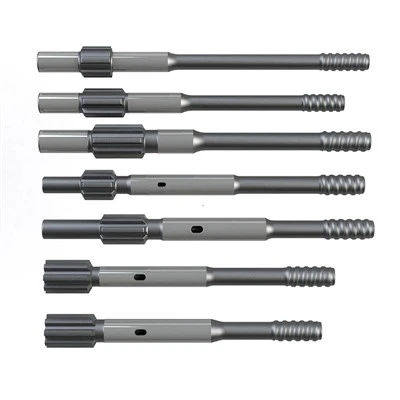
Whether you’re dealing with the solubility issues in limestone or the hole stability problems in unconsolidated sediments, our DTH drill pipes have the features and durability to get the job done. We’ve invested a lot of time and effort in developing high – quality drill pipes that can adapt to different geological terrains.
Button Bit If you’re in the market for DTH drill pipes for your next drilling project, I’d love to talk to you. We can discuss your specific geological conditions and help you choose the right drill pipe for your needs. Contact me, and let’s start a conversation about how we can make your drilling project a success.
References
- "Drilling Engineering Handbook" by John Smith
- "Geological Conditions and Drilling Techniques" by Sarah Johnson
- Industry reports on DTH drilling performance under different geological conditions.
Super Rock Machinery Equipment (Qingdao) Co., Ltd.
We are one of the most professional DTH drill pipe manufacturers and suppliers in China, featured by quality products and good price. Please feel free to buy advanced DTH drill pipe for sale here from our factory. Welcome to view our website for more information.
Address: No. 45, Pengwan Road, Qianwan Bonded Port Area, Qingdao Sub-district, Free Trade Pilot Zone, Shandong China
E-mail: sales@superrocktools.com
WebSite: https://www.superrocktools.com/
