Connecting electrofusion fittings to different pipe diameters is a critical process in various piping systems, including those in water supply, gas distribution, and industrial applications. As a supplier of electrofusion fittings, I’ve witnessed firsthand the importance of this process and the challenges that customers often face. In this blog, I’ll share some in – depth insights on how to connect electrofusion fittings to different pipe diameters effectively. Electrofusion Fittings
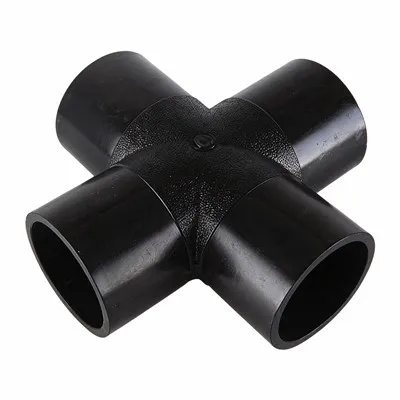
Understanding the Basics of Electrofusion Fittings
Before delving into the connection process, it’s essential to understand what electrofusion fittings are. Electrofusion fittings are made of thermoplastic materials, typically polyethylene (PE). They have built – in electric heating coils. When an electric current is applied through a specialized electrofusion welding machine, the coils heat up, melting the inner surface of the fitting and the outer surface of the pipe. This results in a homogeneous and leak – tight joint.
Assessing the Pipe Diameters
The first step in connecting electrofusion fittings to different pipe diameters is to accurately assess the diameters of the pipes involved. This requires using proper measuring tools such as calipers or tape measures. It’s crucial to measure the outer diameter (OD) of the pipes precisely because electrofusion fittings are designed to fit around the outer surface of the pipes.
In cases where the diameters are slightly different, it’s important to check the compatibility of the fitting with the pipes. Some electrofusion fittings can accommodate a small range of diameter variations. However, if the difference is significant, you may need to use reducing electrofusion fittings or other transition components.
Selecting the Right Electrofusion Fittings
Once you have determined the pipe diameters, you need to select the appropriate electrofusion fittings. Our company offers a wide range of electrofusion fittings designed for different pipe diameters and applications. When choosing a fitting, consider the following factors:
1. Pipe Material Compatibility
Ensure that the fitting material is compatible with the pipe material. Most electrofusion fittings are made of PE, which is highly compatible with PE pipes. It’s important to avoid using fittings made of incompatible materials as this can lead to poor joint quality and potential leaks.
2. Diameter Compatibility
For pipes with different diameters, select fittings that match the specific diameters. For example, if you are connecting a large – diameter pipe to a small – diameter pipe, you may need a reducing electrofusion fitting. These fittings have one end sized to fit the larger pipe and the other end sized to fit the smaller pipe.
3. Application Requirements
Consider the specific application requirements such as pressure rating, chemical resistance, and temperature tolerance. Different applications may demand different types of electrofusion fittings with specific performance characteristics.
Preparing the Pipes and Fittings
Proper preparation of the pipes and fittings is essential for a successful electrofusion connection.
1. Cleaning
Thoroughly clean the outer surface of the pipes and the inner surface of the fittings to remove any dirt, grease, or oxidation. Use a clean, dry cloth or a suitable cleaning agent. In some cases, a specialized pipe cleaner may be required to ensure all contaminants are removed.
2. Deburring
Check the pipe ends for any burrs or sharp edges. Use a deburring tool to smooth the pipe ends. Burrs can prevent proper contact between the pipe and the fitting, leading to a weak joint.
3. Marking
Mark the insertion depth on the pipe. This mark indicates how far the pipe should be inserted into the fitting. It ensures that the pipe is inserted to the correct position, which is crucial for proper heating and fusion.
Connecting the Pipes and Fittings
Once the pipes and fittings are prepared, it’s time to make the connection.
1. Insertion
Carefully insert the pipe into the fitting up to the marked insertion depth. Make sure the pipe is centered within the fitting to ensure even heating.
2. Welding
Connect the electrofusion welding machine to the fitting’s terminals according to the manufacturer’s instructions. The welding machine will supply the appropriate amount of electric current to the heating coils in the fitting.
The welding parameters, such as welding time and voltage, are determined by the fitting size, pipe material, and ambient conditions. It’s important to follow the recommended welding parameters provided by the fitting manufacturer.
During the welding process, the heating coils heat up, melting the pipe and fitting surfaces. This creates a molten pool that fuses the two components together. The welding process typically takes a few minutes, depending on the size of the fitting.
3. Cooling
After the welding process is complete, allow the joint to cool naturally. Do not move or disturb the joint during the cooling period. The cooling time is also specified by the fitting manufacturer and is important for the joint to achieve its full strength.
Quality Control and Testing
After the joint has cooled, it’s important to perform quality control checks to ensure the integrity of the connection.
1. Visual Inspection
Conduct a visual inspection of the joint. Look for any signs of uneven welding, such as gaps, cracks, or excessive melting. The joint should have a smooth and uniform appearance.
2. Pressure Testing
If possible, perform a pressure test on the piping system. This involves applying a specified pressure to the system and monitoring for any leaks. Pressure testing helps to ensure the joint can withstand the operating pressure of the system.
Challenges and Solutions
Connecting electrofusion fittings to different pipe diameters can present some challenges. One common challenge is the difficulty in achieving a proper fit when the diameter difference is large. In such cases, using transition fittings or adapters can help to bridge the gap.
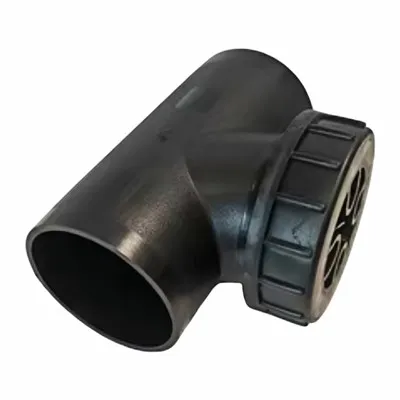
Another challenge is ensuring accurate welding parameters, especially when welding different pipe materials or under varying environmental conditions. To address this, it’s important to have a reliable electrofusion welding machine with adjustable parameters and to follow the manufacturer’s guidelines carefully.
Conclusion
Butt Fusion Fittings Connecting electrofusion fittings to different pipe diameters is a complex but achievable process. By following the steps outlined above, you can ensure a strong and reliable joint. As a supplier of electrofusion fittings, we are committed to providing high – quality products and technical support to our customers. If you are in need of electrofusion fittings for your piping projects or have any questions about the connection process, please feel free to contact us. We are ready to assist you with your procurement and provide you with professional advice.
References
- Industry Standards for PE Pipe and Fittings. ASTM International.
- Manufacturers’ Technical Manuals for Electrofusion Fittings.
- Research Papers on Thermoplastic Pipe Welding Technology from International Journal of Pipeline Engineering.
Qingdao Polyfusion Machinery Co., Ltd.
As one of the most professional electrofusion fittings manufacturers and suppliers in China, we have world-leading production equipment and strong manufacturing capabilities. Please feel free to buy bulk high quality electrofusion fittings from our factory.
Address: Chengyang Industry Zone, Chengyang, Qingdao, Shandong, China
E-mail: export01@qdpolyfusion.com
WebSite: https://www.polyfusionfittings.com/
