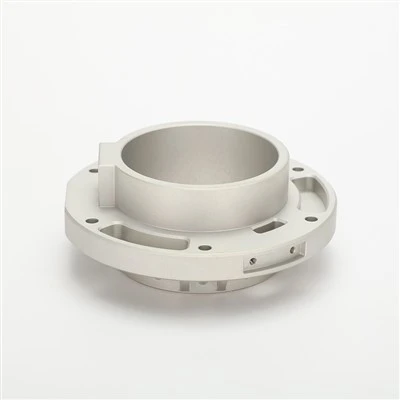
In the dynamic field of medical device processing, the handling of biocompatible materials stands as a cornerstone for innovation and patient safety. As a seasoned supplier in the medical device processing industry, I’ve witnessed firsthand the transformative power of these materials and the meticulous care required to work with them. In this blog post, I’ll delve into how we approach the processing of biocompatible materials, exploring the challenges, best practices, and the future of this critical aspect of medical device manufacturing. Medical Device Processing
Understanding Biocompatible Materials
Before we dive into the processing aspects, it’s essential to understand what biocompatible materials are. Biocompatibility refers to the ability of a material to perform with an appropriate host response in a specific application. In the context of medical devices, this means that the material should not elicit harmful reactions when in contact with the human body, such as inflammation, toxicity, or immune responses.
Common biocompatible materials used in medical device processing include metals like titanium and stainless steel, polymers such as silicone and polyurethane, and ceramics like alumina and zirconia. Each material has its unique properties, advantages, and limitations, which influence the choice of material for a particular medical device application.
Challenges in Processing Biocompatible Materials
Processing biocompatible materials comes with its own set of challenges. One of the primary concerns is maintaining the integrity of the material’s biocompatibility throughout the manufacturing process. Any contamination or damage to the material can compromise its performance and potentially harm the patient.
For example, when machining biocompatible metals, the heat generated during the cutting process can cause changes in the material’s microstructure, which may affect its biocompatibility. Similarly, in polymer processing, the use of solvents or additives can introduce impurities that could trigger adverse reactions in the body.
Another challenge is ensuring the precision and consistency of the manufacturing process. Medical devices often require tight tolerances to function properly, and any deviation from the specified dimensions can lead to performance issues or even device failure. This is particularly crucial when dealing with biocompatible materials, as even minor changes in the surface properties or geometry of the device can have significant implications for its biocompatibility and functionality.
Best Practices in Medical Device Processing of Biocompatible Materials
To overcome the challenges associated with processing biocompatible materials, we follow a set of best practices that prioritize quality, precision, and biocompatibility.
Material Selection and Testing
The first step in the process is selecting the appropriate biocompatible material for the specific medical device application. This involves considering factors such as the device’s intended use, the duration of contact with the body, and the mechanical and chemical requirements of the application.
Once the material is selected, we conduct rigorous testing to ensure its biocompatibility. This typically includes in vitro tests, such as cytotoxicity, hemocompatibility, and genotoxicity tests, as well as in vivo tests in animal models. Only materials that meet the strict biocompatibility standards are used in our manufacturing processes.
Contamination Control
Contamination control is a critical aspect of processing biocompatible materials. We maintain a clean manufacturing environment, with strict protocols in place to prevent the introduction of contaminants during the processing, handling, and storage of the materials.
This includes the use of clean rooms, protective clothing, and specialized equipment to minimize the risk of contamination. Additionally, we implement regular cleaning and sterilization procedures to ensure that all surfaces and equipment are free from contaminants.
Precision Manufacturing
To achieve the required precision and consistency in the manufacturing process, we utilize advanced manufacturing technologies and equipment. This includes computer numerical control (CNC) machining, injection molding, and 3D printing, which allow us to produce complex medical device components with high accuracy and repeatability.
In addition to the use of advanced technologies, we also have a team of experienced engineers and technicians who are trained in the art of precision manufacturing. They closely monitor the manufacturing process, using quality control tools and techniques to ensure that the final products meet the specified standards.
Surface Treatment
Surface treatment plays a crucial role in enhancing the biocompatibility and functionality of medical devices. We offer a range of surface treatment options, such as coating, polishing, and modification, to improve the surface properties of the biocompatible materials.
For example, coating the surface of a medical device with a biocompatible polymer can reduce friction, prevent bacterial adhesion, and improve the device’s overall performance. Similarly, polishing the surface of a metal implant can enhance its corrosion resistance and biocompatibility.
The Future of Medical Device Processing with Biocompatible Materials
The future of medical device processing with biocompatible materials looks promising, with several trends and technologies shaping the industry.
Nanotechnology
Nanotechnology is expected to play a significant role in the development of the next generation of biocompatible materials and medical devices. By manipulating materials at the nanoscale, it is possible to create materials with unique properties and functionalities, such as enhanced biocompatibility, improved drug delivery capabilities, and better mechanical performance.
For example, nanocomposite materials, which are made up of a combination of nanoparticles and a polymer matrix, have shown great potential in the development of bone implants and tissue engineering scaffolds. These materials can mimic the structure and properties of natural tissues, providing a better environment for cell growth and tissue regeneration.
3D Printing
3D printing, also known as additive manufacturing, is another technology that is revolutionizing the medical device processing industry. With 3D printing, it is possible to create complex and customized medical devices with high precision and accuracy.
This technology allows for the rapid prototyping and production of medical devices, reducing the time and cost associated with traditional manufacturing methods. Additionally, 3D printing enables the use of a wide range of biocompatible materials, including polymers, metals, and ceramics, opening up new possibilities for the development of innovative medical devices.
Smart Materials
Smart materials are materials that can change their properties in response to external stimuli, such as temperature, pH, or electric current. These materials have the potential to revolutionize the field of medical device processing by enabling the development of self-regulating and responsive medical devices.
For example, smart polymers can be used to create drug delivery systems that can release drugs in a controlled manner, based on the specific needs of the patient. Similarly, shape-memory alloys can be used to create implants that can change their shape in response to body temperature, providing a better fit and improved performance.
Conclusion
As a medical device processing supplier, we understand the importance of dealing with biocompatible materials with the utmost care and precision. By following best practices in material selection, contamination control, precision manufacturing, and surface treatment, we are able to produce high-quality medical devices that meet the strict biocompatibility standards.
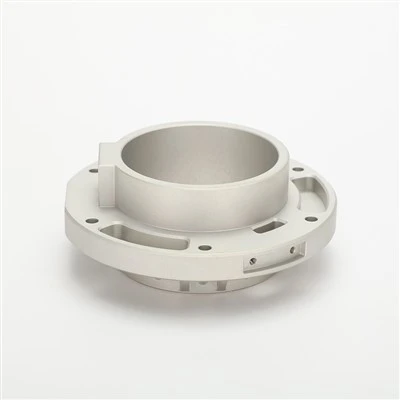
The future of medical device processing with biocompatible materials is filled with exciting possibilities, thanks to the advancements in nanotechnology, 3D printing, and smart materials. We are committed to staying at the forefront of these technological advancements, continuously improving our processes and products to meet the evolving needs of the medical device industry.
Automotive Plastic Injection Molding If you’re in the market for high-quality medical device processing services, we’d love to hear from you. Contact us to discuss your specific requirements and explore how we can help you bring your medical device ideas to life.
References
- Ratner, B. D., Hoffman, A. S., Schoen, F. J., & Lemons, J. E. (Eds.). (2012). Biomaterials science: An introduction to materials in medicine. Academic Press.
- Campbell, P. A., & Wilder-Smith, P. (2018). Biocompatibility of medical devices. John Wiley & Sons.
- Chua, C. K., & Leong, K. F. (Eds.). (2014). Understanding 3D printing. World Scientific.
- Wischhusen, J., & Vogt, J. (Eds.). (2013). Smart materials in medicine and biotechnology. Springer Science & Business Media.
Zhejiang Hayi Technology Co., Ltd.
With abundant experience, we are one of the most professional medical device processing manufacturers in China. We warmly welcome you to wholesale bulk medical device processing in stock here and get quotation from our factory. All customized products are with high quality and competitive price.
Address: Room 112, 1st Floor, No. 103, Siwangdai, Pingzhai Village, Renhe Subdistrict, Yuhang District, Hangzhou City, Zhejiang Province
E-mail: 18368133797@163.com
WebSite: https://www.zhejianghayi.com/
