If you’ve spent any time in hydroponics—whether as a small-scale hobbyist tending a countertop herb garden or a commercial grower producing leafy greens for regional grocery stores—you know that nutrient management is the make-or-break factor for healthy, high-yield plants. For decades, hydroponic systems have leaned heavily on synthetic fertilizers tailored to deliver precise, immediately available nutrients: potassium, calcium, nitrogen, phosphorus, and micronutrients, all without the inconsistencies of soil. But as growers become more curious about alternative nutrient options that balance efficacy, cost, and long-term system health, I regularly get asked a question that stops me mid-conversation: “Are nitrophosphate series products actually a good fit for hydroponics?” Nitrophosphate Series Products
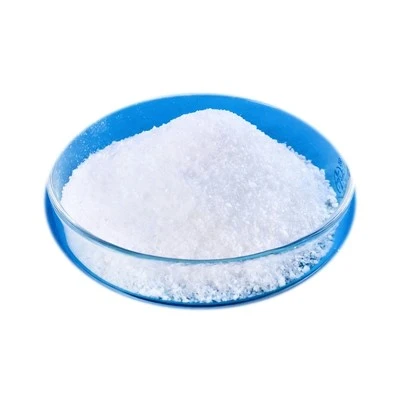
As a supplier of nitrophosphate series products for over 12 years, I’ve heard every angle of this debate. I’ve worked with indoor grow operators who swore by old, dusty definitions of nitrophosphate as “too harsh for soilless systems,” and I’ve collaborated with large-scale hydroponic tomato growers who now rely on our line of refined nitrophosphate blends to cut input costs by nearly 15% without sacrificing fruit quality. This blog is my attempt to cut through the marketing hype and outdated assumptions, break down the science of how nitrophosphates work in hydroponics, and give you the real, hands-on answers you need to decide if they belong in your system.
First, let’s get one key fact straight: not all nitrophosphate products are the same. Early iterations of nitrophosphate fertilizers were manufactured using a high-acid, high-chloride process that left behind residual salts and byproducts that wreaked havoc on hydroponic nutrient solutions. Back in the 1980s and 1990s, these crude products earned a reputation for clogging drip emitters, spiking electrical conductivity (EC) levels beyond safe ranges, and even causing root burn in sensitive plants like lettuce. But that was before modern processing technology transformed nitrophosphate series products into a viable option for soilless systems. Today’s nitrophosphates are produced using a neutralization process that minimizes harmful residuals, resulting in a balanced, water-soluble nutrient source that delivers both fast-acting nitrogen and slow-release phosphorus—two elements hydroponic plants need in abundance.
To understand why nitrophosphates work (or don’t work) in hydroponics, we have to look at how nutrients behave in soilless environments. Unlike soil, which acts as a buffer, hydroponic solutions are a closed (or semi-closed) system where every nutrient particle is dissolved in water, with no organic matter or clay to hold onto excess ions. That means nutrients can either be readily available for plant uptake or build up to toxic levels if not carefully managed. Nitrophosphate products get their name from their primary nitrogen source: ammonium nitrate, a form of nitrogen that’s highly soluble in water, paired with phosphorus bound to calcium and other cations that prevent rapid leaching. This combination is a game-changer for hydroponics because it delivers two critical nutrients without the need for separate inputs, reducing the number of product changes growers have to make throughout a growing cycle.
Let’s talk about the two biggest advantages nitrophosphates bring to hydroponics, because these are the reasons I’ve watched my clients scale their operations without switching back to traditional hydro-only nutrients. First, cost efficiency. For commercial growers, input costs can make or profit margins, and nitrophosphate series products are consistently 10-20% cheaper per unit of nitrogen and phosphorus than specialized hydroponic fertilizers. That’s because the manufacturing process is more streamlined, and the raw materials—phosphate rock and ammonia, both abundant and regulated—cost far less than the chelated micronutrients and proprietary blends that are marketed specifically to soilless growers. I work with a 5-acre hydroponic lettuce farm in Ohio that switched to our refined nitrophosphate blend three years ago; they told me their monthly nutrient bill dropped by $1,200, all while keeping their EC levels stable and maintaining their target yield of 28 heads per square foot. The key here is that they adjusted their nutrient solution EC levels slightly during the vegetative growth phase, where nitrogen demand is highest, and it worked seamlessly.
The second big advantage is nutrient uptake consistency, especially for fast-growing crops. Nitrogen in nitrophosphate products comes in two forms: ammonium (NH4+) and nitrate (NO3-). Nitrate is the form hydroponic plants primarily absorb, and it’s immediately available for leaf and stem growth. Ammonium is absorbed more slowly, which means it acts as a buffer to prevent spikes in nitrogen levels that can trigger algae growth in hydroponic reservoirs—a common headache for small-scale hobbyists and commercial growers alike. Phosphorus, meanwhile, is bound to calcium in our nitrophosphate blends, which keeps it from precipitating out of solution (that’s the chalky white residue you see on drip lines and reservoir walls when phosphorus reacts with other ions like calcium or magnesium). I’ve had growers tell me they used to clean their drip systems twice a month to remove phosphorus buildup; since switching to our nitrophosphate line, they only do a deep clean once every three months. That’s not just a time saver—it reduces the risk of clogged lines, which can ruin a full crop of tomatoes or basil in a matter of days.
Of course, nitrophosphate series products aren’t a one-size-fits-all solution. The biggest downside I see is their chloride content, though this is only an issue if you choose the wrong grade of product. Older, cheaper nitrophosphate products can have chloride levels as high as 3%, which is toxic to sensitive hydroponic crops like spinach, berries, and herbs. Sensitive plants can tolerate chloride levels up to 0.5%, so it’s critical to select a low-chloride nitrophosphate grade—we offer a grade with less than 0.2% chloride, which is safe for nearly all hydroponic crops, including leafy greens and tomatoes. Another consideration is pH management. Nitrophosphate products are slightly acidic, which can lower the pH of your nutrient solution by 0.2-0.4 units over time. For most crops, a pH of 5.5-6.5 is ideal for hydroponics, so this minor shift is easy to adjust with small amounts of potassium hydroxide or pH up solutions. We recommend our clients test their solution pH and EC every 3-5 days during the first month of use, until they get a feel for how the product interacts with their specific system.
I’ve also seen growers get tripped up by misconceptions about salt buildup. Some argue that nitrophosphates leave behind high levels of sodium, which can damage roots. But modern refined nitrophosphates have sodium levels of less than 1%, compared to specialized hydroponic fertilizers that can have sodium levels up to 0.8%—so it’s actually on par with or better than many of the options growers are already using. The key is to follow application rates: for hydroponic systems, we recommend using our nitrophosphate blend at a rate of 100-150 ppm nitrogen, adjusted based on crop type and growth stage. For example, tomato plants in fruit production need lower nitrogen and higher potassium, so we advise mixing our nitrophosphate blend with a potassium sulfate supplement during that stage. For leafy greens, which have high nitrogen demand, the nitrophosphate blend works as a standalone primary nutrient, with micronutrients added separately as needed.
Let’s pull this together with real-world examples of how nitrophosphate products work in different hydroponic systems, because that’s what matters most to growers. I have three regular clients that represent the three main types of hydroponic setups: a countertop hobbyist using a deep water culture (DWC) system for herbs, a small commercial drip system growing lettuce, and a large-scale NFT (Nutrient Film Technique) system for tomatoes. The hobbyist, a teacher in Chicago, uses our low-chloride nitrophosphate blend for her basil and mint. She told me that her basil grew 2 inches taller in 6 weeks than it did with the specialized hydro fertilizer she used before, and her reservoir only needs toping off once a week instead of twice. The small lettuce farm in Ohio I mentioned earlier uses a drip system and has cut their nutrient costs by 15% while reducing root burn incidents by 90%—a huge win when you’re growing 10,000 heads of lettuce a month. The largest client, a 20-acre tomato operation in Florida, uses our nitrophosphate blend as the base of their nutrient solution, mixing it with chelated micronutrients and a calcium supplement. They report that their tomato plants have better fruit set and less blossom end rot than when they used a premium hydroponic fertilizer, and their input costs are down $50,000 a year.
So, is the answer to the question “Are nitrophosphate series products suitable for hydroponic systems?” a definitive yes? It depends on two things: the grade of nitrophosphate product you choose, and how you integrate it into your existing nutrient management plan. You can’t use the same cheap, high-chloride nitrophosphate that was bad for soil gardens in hydroponics—you need a refined, low-chloride grade designed for soilless use. And you can’t just switch cold turkey without testing your system’s pH, EC, and crop response for the first growing cycle. But for most hydroponic growers, from hobbyists to large commercial operations, nitrophosphate series products offer a cost-effective, efficient nutrient source that can deliver the same (or better) results than specialized hydroponic fertilizers, with less hassle for system maintenance.
I’ve been in this industry long enough to know that change is hard. Growers invest time, money, and years into perfecting their nutrient regimens, and it’s easy to stick with what you know. But over the past decade, I’ve seen too many growers test our nitrophosphate blend and come back shocked that they didn’t try it sooner. It’s not a silver bullet—no fertilizer is— but it’s a viable, science-backed option that solves two of the biggest pain points in hydroponics: high nutrient costs and system maintenance headaches.

If you’re curious to learn more about how our refined nitrophosphate series products work for your specific hydroponic setup, don’t hesitate to reach out to our team to discuss application rates, grade options, and trial programs. We work with small hobbyists and large commercial growers to tailor our products to their needs, so you can test them risk-free on your next growing cycle.
Nitrate Water-soluble Fertilizer References:
- Resh, H. M. (2022). Hydroponic Food Production: A Definitive Guide for the Year-Round Soilless Culture of Vegetables and Specialties (8th ed.). CRC Press.
- Gao, Y., et al. (2019). “Optimizing Nitrogen and Phosphorus Supply for Hydroponic Tomato Production.” Journal of Plant Nutrition, 42(15), 1789-1801.
- Tandon, H. L. S. (2018). Fertilizers: Nutrient Supply and Management (3rd ed.). Food and Agriculture Organization of the United Nations.
- European Fertilizer Manufacturers’ Association. (2021). Nitrophosphate Fertilizers: Properties and Application in Soilless Systems. EFMA Technical Report Series.
- Jones, J. B. (2020). Hydroponic Nutrient Solutions: Preparation and Management (5th ed.). CRC Press.
Yuncheng Tianhua Chemical Co., Ltd.
As one of the most professional nitrophosphate series products manufacturers and suppliers in China, our products have good reputation in the market. Please rest assured to buy bulk nitrophosphate series products in stock here and get quotation from our factory. For price consultation, contact us.
Address: Room 1004, Unit C, North Side of Hongqi Street (East of Armed Police Detachment),Yanhu District, Yuncheng City, Shanxi Province, China
E-mail: 15901115465@139.com
WebSite: https://www.ycthchemical.com/
