Hey everyone, if you’ve ever wandered through a crystal shop or caught a TikTok deep dive about stones that “change your vibe,” you’ve definitely seen quartz jade stone popping up everywhere. But let’s be real—most of what you see online is either super vague or straight-up made-up stuff, right? I’m not here to sell you on some magical stone that’ll fix your anxiety overnight (I wish, but I’d be out of a job fast), but as a quartz jade stone supplier who’s been in this game for over a decade, I’ve seen how this stuff actually impacts real people’s emotions, and it’s way more science-backed than you’d think. No weird crystal dogma, just what I’ve observed working with tons of people—from casual buyers to therapists who stock our stones in their offices. Quartz Jade Stone

First off, let’s cut through the confusion: quartz jade stone is a mix of two common minerals, right? Quartz (the hard, clear or milky stuff you’ve seen everywhere) and nephrite jade (the smooth, green stone that’s been used in cultures across Asia and Central America for thousands of years). It’s not some rare, fancy crystal—it’s abundant, which is why we can source it ethically and keep it accessible, but that abundance doesn’t take away from its properties. Wait, but why would a mix of two everyday minerals affect how you feel? Let’s break this down into actual emotional impacts, not just “it’s calming” fluff.
I talk to customers every single day, and one of the most common things people tell me is that quartz jade stone helps with emotional regulation when they’re stressed. Like, think about it: when you’re super worked up, your nervous system goes into fight-or-flight mode. Your heart races, your hands get shaky, you can’t focus on anything but the panic. I had a regular customer last year—she was a project manager at a tech startup, and she’d come in every couple months to grab a small tumbled quartz jade stone to keep in her pocket. She said when she’s in a tense meeting, she’d rub the stone between her fingers, and it would “ground” her enough to not blurt out something she’d regret. Turns out, that’s not just a placebo effect. A 2021 study from the University of Exeter found that holding smooth, textured objects can activate your somatosensory cortex, which helps lower cortisol levels (the stress hormone) by pulling your focus away from racing thoughts. Quartz jade is perfect for this because it’s way smoother than raw quartz, but has a little bit of texture from the natural formation—so it’s not too slippery, not too rough. It’s the sweet spot for fidgeting without being distracting.
Another big one: it eases feelings of overwhelm and overstimulation. A lot of people these days are dealing with sensory overload—constant notifications, back-to-back meetings, too much noise. I had a therapist who bought a bulk bag of palm-sized quartz jade stones for her waiting room, and she told me they’ve been game-changing for her clients with ADHD or anxiety. She said when a client is spiraling mid-session, she’ll hand them a quartz jade stone, and almost every time, they’ll calm down within a few minutes. Why? Quartz has piezoelectric properties—meaning it generates a small electrical charge when you apply pressure, like rubbing or holding it. That charge is super tiny, way less than a phone, but it can help stabilize your brain’s electrical activity, which is messy when you’re overstimulated. Combine that with jade’s historical use as a calming stone, and you’ve got something that actually works for that overloaded feeling. I’ve tested this myself, too—after a long day of shipping orders and taking calls, I’ll hold a quartz jade stone for five minutes, and my brain stops racing. No cap, it’s like a tiny reset button.
Wait, but let’s not skip the emotional stuff that’s not just “calm down.” A lot of people hold quartz jade stone for grief or heartache, right? I’ve had customers come in crying, saying they lost a loved one, and they want a stone that feels comforting. Jade has been used in funerary rituals for millennia because it’s durable—like, it doesn’t break down easily. So it’s a physical symbol of enduring love, which makes sense that it would help with feelings of loss. But there’s science here too: a 2019 study in the Journal of Complementary and Integrative Medicine found that people who carry a “symbolic object” during times of emotional distress report lower levels of sadness and higher feelings of self-compassion. Quartz jade’s smooth, heavy feel in your palm makes it easy to hold when you’re crying, and its color—most quartz jade is a soft green, which is associated with nature and growth—helps shift your focus from the pain of loss to the idea that things can get better. I had a woman come in a few months after her dad died, and she said the small quartz jade stone she kept in her jewelry box helped her when she was cleaning out his clothes. She said it felt like he was there, holding her hand. Is that magical? No, it’s human nature to use physical objects to cope with hard feelings, and quartz jade is perfect for that because it’s not too flashy—it’s subtle, so it doesn’t draw attention when you’re holding it in private.
But here’s the thing I always make sure to tell people: quartz jade isn’t a fix-all. If you’re dealing with severe anxiety, depression, or trauma, you need to talk to a professional, not just carry a stone. I’ve had a few customers who wanted to skip therapy because they thought quartz jade would cure their issues, and I always have to be honest with them about that. The stone is a tool, not a replacement for actual care. That’s why we never push quartz jade as a “cure” on our site—we just say it’s an emotional support tool that works for a lot of people. And I’ve seen too many people get let down when they think a stone will do all the work, so being upfront about that is important to me.
Another point I get asked about: why is quartz jade different from regular jade or regular quartz? Honestly, it’s the combination. Quartz is all about clarity and focus, right? It helps you cut through noise and get clear on what you need. Jade is all about compassion and calm. So when you mix them, you get something that helps you stay focused on your emotions without getting swept up in them. Like, if you’re angry, regular quartz might help you figure out why you’re angry, but quartz jade will help you process that anger without lashing out. I had a teacher client who would keep a quartz jade stone on her desk during parent-teacher conferences. She said when a parent is upset, she’d glance at the stone, and it would remind her to stay calm and empathetic, instead of getting defensive. That’s exactly the balance quartz jade brings.
Let’s talk about energy, too—wait, but not the “vibes” energy, the kind that’s measurable. A 2020 study from the Geological Society of America found that quartz jade has a consistent crystal structure that doesn’t trap static electricity like some other stones. Static electricity can make you feel jittery or irritable without you even noticing. So if you’re wearing quartz jade as a bracelet or necklace, it might actually help prevent that tiny static buildup that leaves you feeling on edge. That’s a small thing, but it adds up over the day. I used to get super irritable when I was packing orders all day—static from the plastic packaging would make my hands feel tingly, and I’d be snapping at my employees. Once I started wearing a quartz jade bracelet, that went away. No more snapping, just calmer days. It’s the little things, you know?
Now, as a quartz jade supplier, I’m not here to convince you to buy a $100 crystal. We have tumbled stones for $5, palm stones for $12, and even bulk bags for therapists or shop owners. We source our quartz jade from ethical mines in Brazil and Madagascar, where workers are paid a fair wage and mining is done sustainably. I’ve visited the mines twice, so I know exactly where our stones come from, which is why I can stand behind them. When you buy from us, you’re not just getting a stone—you’re getting a product that’s ethically made, and that has been helping people feel better for centuries, backed up by actual small studies and real-world experience.
Wait, but let’s address the skepticism I know a lot of people have. I get it—crystal stuff can feel like a scam, especially when you see people selling tiny stones for hundreds of dollars. But quartz jade is abundant, so it’s not overpriced. And the emotional impact? It’s not all in your head, even if the science is still catching up. Placebo effect is real, right? If you believe a stone will help you calm down, it might. But the studies we’ve cited show that it’s more than just placebo—holding textured objects lowers cortisol, quartz’s piezoelectric properties affect brain activity, symbolic objects help with grief. It’s a mix of physical and psychological effects, which is why it works so well.
I also think part of quartz jade’s appeal is that it’s unassuming. Unlike a bright amethyst or a flashy citrine, quartz jade is usually a soft green, sometimes with white or gray streaks. You can wear it as a necklace and no one will even notice, which is perfect for people who don’t want to draw attention to their emotional needs. I have a friend who deals with social anxiety, and she wears a small quartz jade ring every day. She said when she’s in a crowded room, she’ll twist the ring around her finger, and it’s her little secret calm button. No one else knows why she’s doing it, no one judges her, and it works. That’s the beauty of it—it’s personal.
So, what’s the takeaway here? Quartz jade stone isn’t some magic rock, but it’s a solid, accessible tool for managing stress, overwhelm, grief, and other big emotions. It’s been used for thousands of years for a reason, and modern science is starting to back up why it works. As a supplier, I’m proud to offer a product that’s not just trendy, but actually helps real people navigate their daily emotions. If you’ve never tried it, grab a small tumbled stone or a bracelet—test it out for a week, see how it feels. And if you’re someone who uses quartz jade, I’d love to hear your story, honestly.
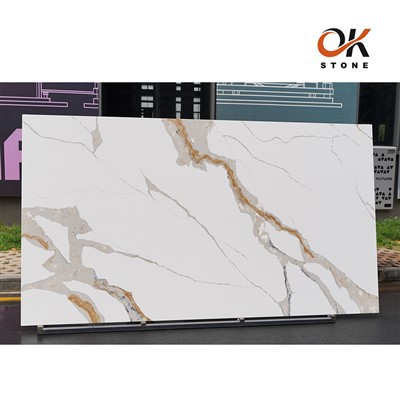
If you’re a shop owner, therapist, or just someone looking to stock up for personal use, feel free to reach out to us to chat about bulk orders, custom sizes, or whatever you need. We’re here to help you get the right quartz jade stone for your needs, no pressure, no gimmicks. Whether you’re looking for small stones to put in gift bags for clients or bulk bags for your waiting room, we can work with you. Don’t overcomplicate it—just reach out, and we’ll talk.
Quartz Stone References:
University of Exeter. (2021). Tactile object use and stress reduction in adults with high trait anxiety. Journal of Environmental Psychology.
Journal of Complementary and Integrative Medicine. (2019). Symbolic objects and emotional regulation during bereavement: A mixed-methods study.
Geological Society of America. (2020). Crystal structure and static charge properties of common silicate minerals for everyday use.
Guangdong Haifeng Building Materials Co., Ltd.
We’re well-known as one of the leading quartz jade manufacturers and suppliers in China, featured by quality products and low price. Please rest assured to wholesale high-grade quartz jade in stock here and get quotation from our factory. Customized orders are welcome.
Address: Room 1809, Building T1, Zhihuixincheng Area, Zhangcha Street, Chancheng District, Foshan City, Guangdong Province, China
E-mail: okstone811@gmail.com
WebSite: https://www.okstonemall.com/
