If you’ve ever dug into the world of pressure-sensitive adhesives or specialized industrial materials, you’ve probably heard the term “viscoelastic tape” thrown around. As a supplier who’s spent the last 12 years sitting across from engineers, production managers, and small-business owners who swear by this stuff, I can tell you it’s not a one-size-fits-all product. Most people hear “viscoelastic” and think of stretchy bandages or cheap packing tape, but that’s just scratching the surface. Viscoelastic tape blends two key properties: viscosity (it flows under constant pressure) and elasticity (it bounces back when that pressure is removed). That unique combination is what makes it so versatile—and why there are dozens of specialized types, each built for a very specific job. Viscoelastic Tape

Let’s break down the main types, how they’re engineered, and where you’re actually going to use each one. I don’t want to bog you down with too much polymer jargon, but a quick note on their makeup helps. The core of any viscoelastic tape is a viscoelastic polymer matrix—think modified acrylics, rubbers, or silicones, each tweaked for different levels of tack, stretch, and temperature resistance. The backing material (paper, plastic film, fabric, or even foam) adds structure, while release liners keep the adhesive from sticking to itself before you need it. Now, onto the types I see our team ship out every week.
First up: medical and healthcare viscoelastic tapes. This is probably the most recognizable type to most people, and it’s where our business started 12 years ago, actually. We supply three main sub-types here, all designed to be gentle on skin, hold up to body heat and sweat, and not leave a sticky residue when you peel them off. The first is surgical tape, the thin, breathable kind you use to hold gauze or IV lines in place. It’s made with a soft non-woven fabric backing and a low-tack acrylic viscoelastic adhesive that sticks just enough to hold, but won’t rip delicate skin—even on infants or burn patients. I still remember a pediatric surgeon calling us a few years back saying he’d tried 17 different tapes that either pulled a toddler’s skin off or fell off mid-surgery; our surgical viscoelastic tape was the one that solved his problem. Then there’s medical device mounting tape, a heavier-duty version used to hold pacemaker leads, wound vacuums, or electrode patches for EKGs. This one uses a foam or polyethylene backing, with a modified acrylic adhesive that has higher shear strength—meaning it won’t slide or pop off even when the patient is moving around, sweating, or taking a shower. Last in this sub-type is orthopedic viscoelastic tape, the kind used for ankle braces, compression wraps, or athletic taping. It’s stretchy, usually made with a cotton or polyester fabric backing and a rubber-based viscoelastic adhesive that has a little “give” to it. That elasticity lets it move with the body, so you don’t have a tape that’s too tight during a jog or too loose during a warm-up. We work with physical therapy clinics all over the country on this one, and the feedback is consistent: it’s way better than old-fashioned white athletic tape because it doesn’t leave a sticky mess on hair or skin, and it holds shape for 3 to 5 days, not just a few hours.
Next, industrial and manufacturing viscoelastic tapes. This is the bread and butter of our sales team these days, because manufacturers of all kinds rely on these tapes for everything from assembling electronics to building appliances. The biggest category here is electronic assembly tape. We engineer these with very high purity adhesives—no impurities that could leach onto circuit boards or damage sensitive components. They use either polyimide (Kapton) or polyester backings, with a silicone-based viscoelastic adhesive that has excellent temperature resistance, holding up in the 120°C to 180°C range that’s common during PCB soldering processes. I’ve had a smartphone manufacturer tell us they use our electronic viscoelastic tape to hold display panels in place during assembly; if the tape failed during soldering, the whole panel would get ruined, costing them thousands of dollars in wasted materials. Then there is automotive assembly viscoelastic tape, built for the rough conditions of a car factory. These tapes have to withstand extreme temperature swings (from -40°C in northern winters to 80°C inside a hot parked car), vibration, and UV exposure. We supply both acrylic and rubber-based viscoelastic tapes for this: acrylic versions are better for mounting interior trim pieces, while rubber-based ones are used for sealing panels and holding weatherstripping in place. A client who makes electric trucks recently switched to our automotive viscoelastic tape after their old tape would peel off the door panels during a quality test drive over rough roads. They said our tape’s shear strength is 30% higher than the competitor’s, which cuts down on their assembly line downtime and warranty claims. Another key industrial type is ductile mounting viscoelastic tape, used for heavy-duty mounting tasks like attaching HVAC units to wall studs, or securing industrial sensors to metal frames. These use a thick foam backing and a high-tack modified acrylic viscoelastic adhesive that bonds strongly to metal, wood, and even painted surfaces. Unlike regular packing tape, which fails under heavy loads or temperature changes, this tape stretches just enough to absorb small vibrations, so it doesn’t crack or come loose over time. We even have a version of this tape that’s designed for exterior use, with UV inhibitors built into the adhesive, so it can hold up for years on outdoor signage or building trim.
Then there are specialty viscoelastic tapes, the ones that solve very niche problems that most people don’t even know exist. Let’s start with packaging and logistics viscoelastic tape. Wait, before you tune this out as boring old packing tape, hear me out: this isn’t the dollar-store stuff. We supply viscoelastic packaging tape for secure shipping, especially for fragile goods like glassware, electronics, or art. The viscoelastic adhesive here has a unique balance of tack and elasticity: when you pull it tight around a box, it sticks firmly to the corrugated cardboard, but it also stretches slightly to absorb shock during shipping, so it doesn’t snap open if the package is dropped. We worked with a craft brewery last year that was having 12% of their beer bottles break in transit because regular packing tape couldn’t hold the boxes closed during rough handling. They switched to our viscoelastic shipping tape, and that number dropped to less than 1%—game changer for their bottom line. Next is gasketing and sealing viscoelastic tape, used to create airtight or watertight seals between two surfaces. These are usually made with a closed-cell foam backing and a silicone or acrylic viscoelastic adhesive that fills in small gaps between surfaces, preventing moisture, dust, or air from getting through. I’ve seen these used on everything from refrigerator door seals to marine engine components. A boat repair company told us they use our marine-grade viscoelastic gasketing tape to seal hull panels; it holds up to saltwater exposure, extreme temperature changes, and vibration way better than traditional putty or rubber gaskets. Last specialty type is release and masking viscoelastic tape, used during painting, powder coating, or finishing processes. Unlike regular masking tape, which can leave residue or peel off when you’re spraying paint, viscoelastic masking tape has a slow-adhering viscoelastic adhesive that only sticks lightly to the surface. When you remove it, it doesn’t lift paint or leave sticky marks—even on delicate surfaces like metal or plastic automotive trim. We supply this to custom car paint shops all the time, and their number one compliment is that it lets them do crisp, clean lines without any touch-up work.
Now, let’s talk about what makes viscoelastic tape different from other pressure-sensitive tapes, because that’s the question I get most from new customers. Regular adhesive tapes (like the stuff you use to wrap a present) have only one key property: tack, or stickiness. They’re either all sticky and weak, or strong and hard to peel. Viscoelastic tape, on the other hand, has that dual nature: when you apply pressure to it (like pressing a bandage to your skin or a tape roll to a circuit board), it flows into the small imperfections of the surface, creating a strong bond. When you pull on it, it stretches slightly before breaking, rather than snapping like a rigid adhesive. That elasticity is what makes it so durable, and why it works in conditions where regular tape fails. Of course, no viscoelastic tape is perfect—each type is engineered for a specific tradeoff. For example, the medical surgical tape is gentle on skin but can’t hold heavy loads, while the automotive assembly tape is strong and temperature-resistant but might leave a sticky residue if peeled off incorrectly.
As a supplier, I always tell customers there’s no “best” viscoelastic tape—only the right one for your job. If you’re a nurse needing to hold a wound dressing, don’t use the heavy-duty automotive tape that’s too harsh on skin. If you’re a manufacturer assembling a sensitive PCB, don’t use the cheap shipping tape that could leach chemicals and ruin your product. That’s why our team spends so much time talking to customers about their specific needs, not just pushing the most popular tape on our shelves. We’ll ask about the surface it’s bonding to, the temperature it’ll be exposed to, how long it needs to hold, and whether it needs to be removable or permanent. Last year, we worked with a small aerospace startup that was developing a new satellite component and needed a viscoelastic tape that could withstand the vacuum of space and radiation from the sun. We modified our standard electronic viscoelastic tape, adjusting the adhesive to be outgassed (meaning it doesn’t release any harmful chemicals in a vacuum) and adding UV inhibitors, so it worked perfectly for their application.
One thing I want to make clear: the viscoelastic tape industry is always evolving. New polymer formulations are being developed every year that make tapes stronger, gentler, and more resistant to extreme conditions. We just launched a new line of bio-based viscoelastic tapes made from plant-derived polymers, designed for packaging and medical applications, which is a big deal for clients looking to reduce their environmental footprint.
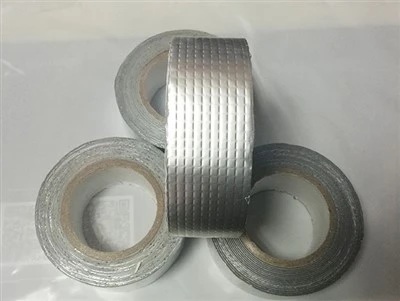
If you’re tired of tapes that fail at the worst possible time—whether that’s a medical tape peeling off mid-surgery, a shipping tape snapping open and ruining a fragile product, or an industrial tape failing and causing downtime in your production line—we can help. Our team has decades of experience matching the right viscoelastic tape to your specific use case, and we work with clients of all sizes, from small local clinics to large international manufacturers. There’s no one-size-fits-all, but there is a viscoelastic tape that’s perfect for your needs. We’d be happy to answer any questions you have, or walk you through the different types we supply and which one might work best for your project. Reach out to us today to start a conversation about your needs.
Pipeline Anti-corrosion Materials References
Satas, D. (2010). Handbook of Pressure-Sensitive Adhesive Technology, 3rd Edition. CRC Press.
Ulrich, G. D., & Becker, R. C. (2003). Elasticity and Viscoelasticity in Adhesive Bonds. Journal of Adhesion Science and Technology.
Medical Adhesive Tapes: Performance Standards and Clinical Applications. (2018). Journal of Biomedical Materials Research Part B: Applied Biomaterials.
Automotive Adhesives: Trends and Performance Requirements. (2021). SAE International Journal of Materials and Manufacturing.
Jining Xunda Pipe Coating Materials Co., Ltd.
Jining Xunda Pipe Coating Materials Co., Ltd. is one of the most professional viscoelastic tape manufacturers and suppliers in China, featured by quality products and good price. Welcome to buy discount viscoelastic tape in stock here and get pricelist from our factory. Also, customized service and five years warranty are available.
Address: Jibei High-tech Industrial Park, Jining City
E-mail: sales.guo@xundatape.com
WebSite: https://www.xundapipetape.com/
