Hey there, if you’ve ever worked in a place that needs super strict control over air, particles, or contamination—like a pharmaceutical manufacturing plant, a semiconductor fabrication lab, or a food processing facility—you know how annoying (and costly) little mistakes with doors can be. I’ve been in the cleanroom steel door game for over a decade, working directly with engineers, operations managers, and lab heads who’ve dealt with flimsy, finicky doors that caused way more problems than they solved. Today, I want to break down exactly why cleanroom steel doors are not just a “nice to have”—they’re a game-changer for anyone responsible for keeping a cleanroom compliant, efficient, and safe. Let’s cut through the hype and talk real, on-the-ground advantages, no jargon (well, maybe a little, but I’ll explain it like we’re grabbing coffee after a long day at the plant). Cleanroom Steel Door

First off, let’s get this straight: a regular hollow-core door or even a basic fire door? They’re garbage for cleanrooms. Why? Because cleanrooms aren’t just rooms with a “clean” label—they have classified particulate levels, pressure differentials, and strict hygiene rules from places like the FDA, ISO, or EU GMP. A standard door has gaps around the edges, porous surfaces that trap dust, and finishes that scratch or peel when someone bumps a cart (which is inevitable, let’s be real). Our cleanroom steel doors? We engineer every part of them to solve those exact pain points.
The biggest win? Unmatched contamination control. Let’s break that down. First, the door is made of a solid, non-porous steel core—no holes, no wood fibers, no tiny crevices where dust, microbes, or even airborne contaminants can hide or build up. I’ve had a pharma client tell me that before they switched to our doors, their swab tests for surface contamination would fail 2 out of 10 times because the old door’s finish had micro-scratches that caught leftover cleaning solution and bacteria. With our doors? That stopped cold. The powder-coat finish we use is UV-cured, so it’s super smooth, non-porous, and doesn’t flake or scratch easily. Even if a metal cart or a mop hits it, the finish doesn’t chip—no little particles getting loose to float into the cleanroom.
Then there’s air sealing, which is non-negotiable for cleanroom pressure control. If your cleanroom is supposed to be at a positive pressure (to keep unfiltered air from seeping in) or negative pressure (for hazardous materials, to keep toxic air inside), the door has to hold that pressure. Standard doors have 1/8-inch gaps around the edges, which is enough to let hundreds of cubic feet of unfiltered air leak in every hour. Our doors have a custom, multi-layered silicone weather seal that compresses evenly when you close it—we test every single door before it leaves our warehouse to make sure it maintains ±0.01 pressure differentials, which is the gold standard for ISO Class 5 and above cleanrooms. I once visited a semiconductor fab where they were wasting $12k a month on extra HEPA filters because their old doors were leaking so much unfiltered air, the HEPA had to run overtime. After switching to our steel doors, that cost dropped by like 80%—they actually called to say their utility bills went down too, because the HVAC didn’t have to work as hard. That’s not a minor win; that’s real money back in their pocket.
Next up, durability and low maintenance—something every operations manager cares about, because downtime costs way more than replacing a door. Let’s be real: cleanrooms get busy. You’re moving carts with raw materials, lab equipment, finished products, maybe even whole production lines. Old doors dent, warp, or break if you bump them too hard. Steel doors? They’re built to take a beating. We use 16-gauge galvanized steel, which is thick enough to resist dents from forklift carts (I’ve seen a forklift run into one head-on and the door didn’t even get a scratch—same can’t be said for the forklift, for the record). And maintenance? It’s basically non-existent. You don’t have to sand and repaint every year like you do with wood doors. The powder-coat finish just needs a quick wipe-down with a mild disinfectant or soap and water—we even have clients who use the same cleaning solution they use on their lab benches on the doors, no special products needed. We had a biotech startup that opened a new lab last year; they initially quoted 4 hours a week for door maintenance. After switching to our doors, that number dropped to 20 minutes a week. That’s time they can spend on actual lab work, not fixing or cleaning doors.
Wait, let’s talk about hygiene and compliance too—this is huge for regulated industries. The FDA, ISO, and other regulatory bodies don’t mess around when it comes to cleanroom documentation and validation. If your door isn’t easy to validate, you’re looking at expensive audits, maybe even fines or production delays. Our cleanroom steel doors are designed with seamless surfaces (no exposed fasteners, no joints where dirt can hide) and we provide full documentation for every door: material test reports, seal performance data, and even installation checklists that are accepted by most global regulatory agencies. I had a medical device manufacturer that failed an FDA audit because their old door had exposed screws that were corroding—inspectors said that was a potential contamination risk and a violation of GMP. They switched to our doors, and their next audit was perfect. No more stress about failing audits over something as simple as a door.
Another thing most people don’t think about: fire safety and versatility. A lot of cleanrooms need fire-rated doors, right? Especially if they’re storing flammable materials or working with hazardous chemicals. Our steel doors can be custom-made for 20-minute, 90-minute, or even 3-hour fire ratings, which means you don’t have to sacrifice contamination control for fire compliance. And they’re not just for big production lines—we make them in all sizes, from standard 3x7ft lab doors to oversized doors that fit forklifts or large equipment like semiconductor wafers. We even have sliding steel doors for cleanrooms that need to keep pressure consistent while people or carts move through—they glide smoothly, seal just as tight as our hinged doors, and don’t swing out into walkways, which is a big safety win too. I worked with a food processing plant that needed a wide door for their packaging line; their old fiberglass door kept breaking, and the fire marshal said it wasn’t rated for their high-heat area. The steel sliding door we installed is fire-rated, fits the space, and hasn’t needed repairs in 3 years. That’s the kind of longevity you can’t get with cheaper materials.
Let’s be honest, no product is perfect, but cleanroom steel doors solve so many of the headaches that come with other door types. I’ve talked to clients who tried aluminum doors—they dent way easier, and the anodized finish can scratch, which is a contamination risk. Vinyl doors? They tear, and they’re not good for high-pressure cleanrooms. Even some stainless steel doors? Wait, don’t get me wrong, stainless steel is good, but our steel doors have a powder-coat finish that’s more resistant to corrosion in humid environments (like food processing plants) and cheaper than stainless steel too. So you get better performance for a better price. That’s a big one for small to medium businesses that have tight budgets but still need to meet regulations.
Wait, I should also mention something about employee comfort—because happy employees are productive employees. A bad door can be a pain to open and close, especially if it’s heavy or has a flimsy seal that sticks. Our cleanroom steel doors have smooth-closing hinges, and if you get an automatic version (which we also offer), they glide open without slamming, which helps keep pressure consistent (slamming doors cause air surges that can disrupt the cleanroom’s particulate levels). We had a pharmaceutical client who had employee complaints about old doors slamming and disrupting their sterile compounding workflow. They got automatic steel doors, and within a month, their employee satisfaction surveys went up 15%—who knew a door could make that big of a difference?
At the end of the day, when you’re running a cleanroom, every little detail adds up. A door that leaks air wastes money, a door that traps contamination risks product recalls, a door that breaks causes downtime, a door that’s not compliant leads to audit stress. Our cleanroom steel doors are built to solve all those problems, with real-world testing and feedback from hundreds of clients across every industry—pharma, semiconductors, food, biotech, aerospace, you name it. If you’re tired of dealing with doors that cause more headaches than they’re worth, or if you’re outfitting a new cleanroom and want to get it right the first time, I’m here to help. We can do custom sizing, fire ratings, automatic mechanisms, whatever you need to fit your specific cleanroom requirements. Just reach out to us to chat through your project, no pressure, no sales pitches, just honest advice about what will work best for you.
References
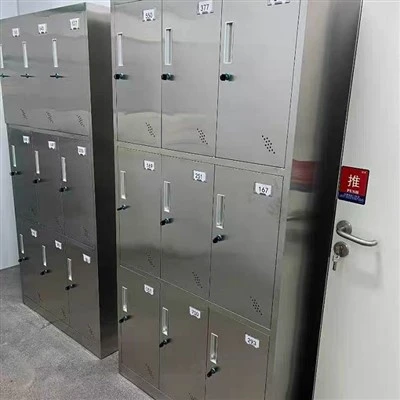
Stainless Steel Cabinet ISO 14644-1: Cleanrooms and associated controlled environments — Part 1: Classification of air cleanliness by particle concentration. International Organization for Standardization, 2015.
U.S. Food and Drug Administration (FDA). Current Good Manufacturing Practice (CGMP) for Finished Pharmaceuticals. 21 CFR Part 210, 2023.
European Commission. Guide to Good Manufacturing Practice for Medicinal Products (EU GMP). Annex 1: Manufacture of Sterile Medicinal Products, 2022.
Suzhou Jinye Air Purification Steel Structure Co., Ltd.
As one of the most professional cleanroom steel door manufacturers and suppliers in China, we offer a wide range of products with superior quality. Please feel free to wholesale durable cleanroom steel door for sale here from our factory.
Address: No. 858 Jinsheng Road, Jinjiaba Town, Wujiang District, Suzhou City, Jiangsu Province, China
E-mail: 18913057067@163.com
WebSite: https://www.suzhoujinye.com/
